Toyota Hilux • AdBlue faults • SCR system • June 2026
Toyota Hilux AdBlue Problems & Reset: Warning Lights, Fault Codes and Fixes
The Hilux is a tough truck, but its SCR system has a handful of specific quirks.
Here’s what every warning light means and what will actually clear it.
Mobile across Leicester, Loughborough & surrounding Midlands • Mon–Sun 09:00–20:00
What the AdBlue Warning Light Means on Your Toyota Hilux
The Toyota Hilux has been fitted with a Selective Catalytic Reduction (SCR) system since the 2016 facelift introduced Euro 6 compliance on the 2.4-litre D-4D engine. That SCR system requires AdBlue — a urea-water solution — to convert harmful nitrogen oxides into harmless nitrogen and water. When the system detects a problem, it flags it on the dashboard.
The Hilux can display several different warnings depending on the issue. A simple low-fluid warning means your tank needs topping up. An SCR system fault warning is different — it means the system itself has detected a hardware or software problem that a simple refill won’t fix. The two are easy to confuse, and that confusion is what leads many Hilux owners to fill up, reset the dash, and then watch the light return within hours.
Low AdBlue
Tank level below threshold. Add 10–15 litres of ISO 22241-compliant AdBlue to clear. The Hilux tank holds approximately 16 litres.
SCR System Fault
A hardware or software failure in the SCR system. Refilling won’t help. Requires diagnosis to identify the root cause.
Emissions System Warning
Broader emissions flag, often triggered alongside a stored fault code. Can indicate NOx sensor failure, dosing injector blockage, or ECU mismatch.
Why the Warning Stays On After Refilling
This is the most common complaint we hear from Hilux owners. The tank is full, but the warning light either stays on, or clears temporarily before coming back within a few days. There are several reasons this happens.
First, if the system has a stored fault code, it won’t clear without a diagnostic reset even if the physical cause has been addressed. The Hilux ECU stores the fault and continues to flag it until a technician uses OBD2 diagnostics to wipe the code and confirm the fix. Simply topping up does not trigger an automatic code clear on most Hilux variants.
Second, and more critically, the warning may be returning because the tank level sensor, the AdBlue dosing injector, or the upstream NOx sensor is failing. These components degrade over time and can give false readings. The ECU sees a problem, flags it, and the cycle repeats regardless of how much fluid is in the tank.
The AdBlue quality issue
Using non-ISO-compliant AdBlue — often sold cheaply online — can contaminate the system and trigger persistent faults. The Hilux SCR system is sensitive to fluid purity. If you’ve used an unbranded product and the fault won’t clear, contamination is worth ruling out alongside a component failure.
Common Toyota Hilux AdBlue Fault Codes
When you plug in an OBD2 scanner or diagnostic system that can read Toyota-specific codes, you’re likely to encounter one or more of the following on a Hilux with an ongoing AdBlue fault.
P20EE
SCR NOx catalyst efficiency below threshold. Often means the catalytic converter is struggling to reduce NOx to legal levels. Common after injector or sensor failure.
P204F
Reductant system performance — bank 1. Points to a problem with AdBlue delivery or quality. Can indicate pump, injector, or contamination issue.
P2202 / P2203
NOx sensor circuit low or high voltage. Indicates a failing upstream or downstream NOx sensor. Common on high-mileage Hilux trucks.
P229F
Reductant pressure — too low. Suggests a problem with the AdBlue pump not building enough pressure to deliver fluid to the injector correctly.
These codes tell a story. P20EE on its own often means the system has been running poorly for a while — the root cause may be earlier injector or sensor degradation that was never diagnosed. Running a code scan before spending money on parts is always the right starting point.

The No-Start Countdown: What Happens If You Ignore It
Euro 6 diesel vehicles are required by legislation to prevent themselves from starting if the emissions system has been deliberately disabled or has completely failed. The Toyota Hilux is no exception. When the ECU detects a confirmed SCR fault — one it’s logged over multiple drive cycles — it begins counting down the number of remaining starts you have before it will refuse to turn over.
Exactly how many starts you get before lockout varies depending on the fault type and the ECU calibration, but Hilux owners have reported countdowns that began at around 100 remaining starts and decreased each time the ignition was cycled. Once the counter reaches zero, the vehicle will not start until a dealer or approved specialist has addressed the fault and reset the counter using appropriate diagnostic access.
This is not a warning you can defer indefinitely. The countdown does not pause. Every time you start the engine, the number decreases. If you see a countdown message on your Hilux cluster, the sensible move is to get it diagnosed before you’re left with a vehicle that won’t move.
What the countdown message looks like
On most UK-market Hilux trucks, the countdown appears as a message in the multi-information display between the instrument cluster dials. It typically reads along the lines of “Emissions system fault — X starts remaining”. The number reduces with each ignition cycle regardless of whether you drive anywhere.
DIY vs Professional Diagnosis
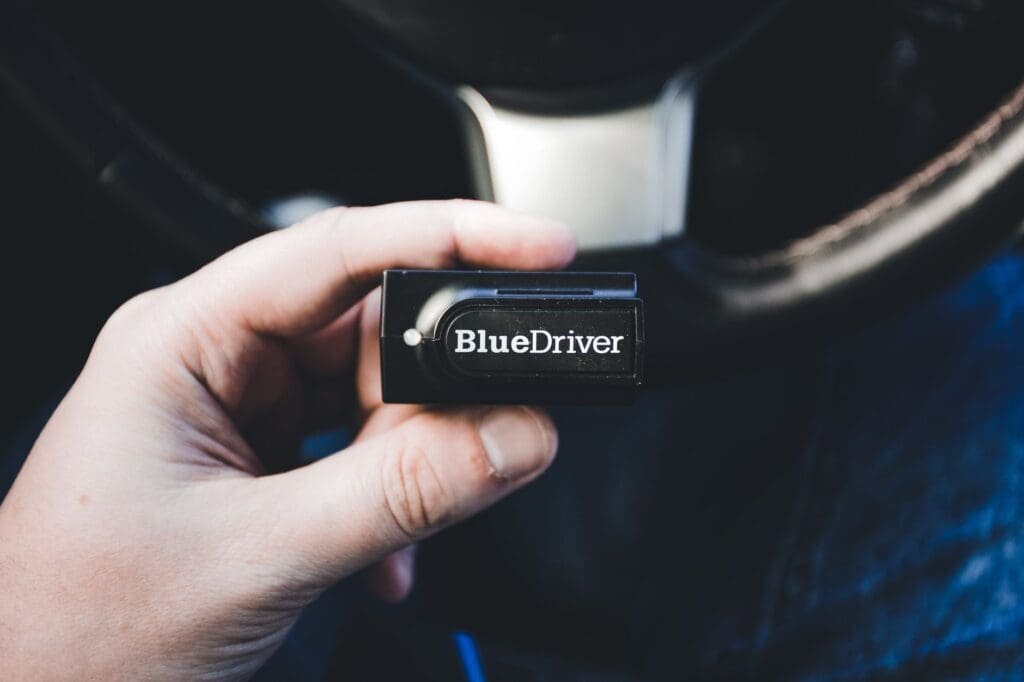
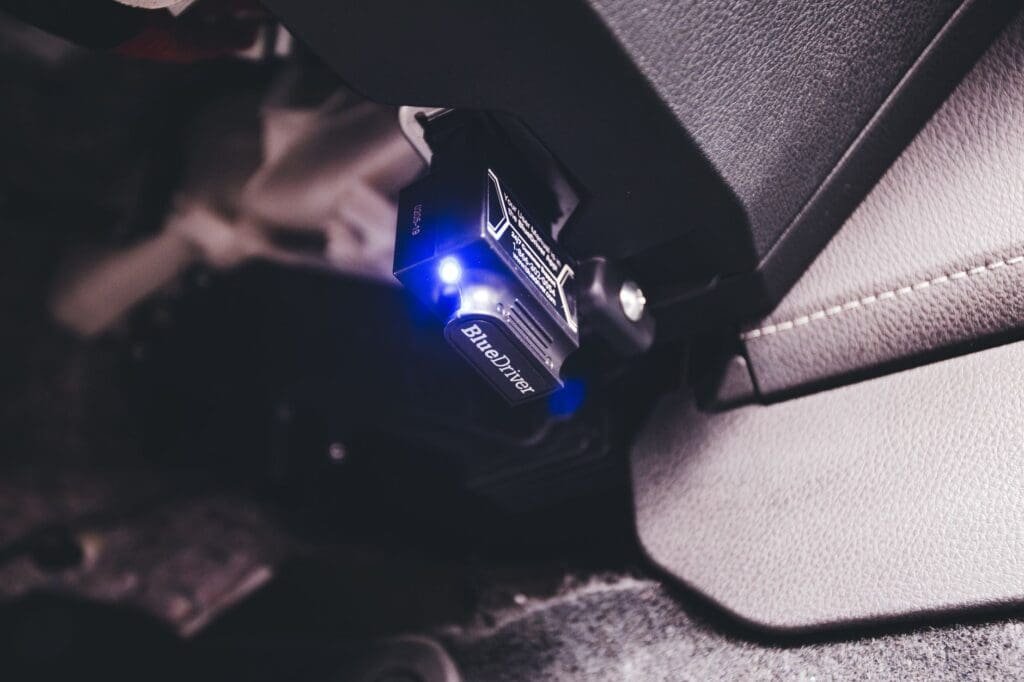
A basic OBD2 reader will pull fault codes from the Hilux, but reading the code is only the first step. Many Hilux AdBlue problems look similar on a code scanner but have very different root causes. P204F, for example, can be triggered by a failing dosing pump, a blocked injector, contaminated fluid, or a wiring issue to the pump module.
Without the ability to live-data test the dosing injector output, check AdBlue pump pressure readings, and verify NOx sensor signal integrity across a drive cycle, you’re essentially guessing which component to replace. Parts for the Hilux SCR system — particularly the dosing injector and NOx sensors — are not cheap. Getting the diagnosis right first time saves money.
A specialist with mobile diagnostics can attend your location, test the system properly, and either confirm it’s repairable or give you a clear picture of what’s involved. That saves you the cost of replacing parts that don’t need replacing.

Is an AdBlue Delete a Realistic Option for the Hilux?
For some Hilux owners — particularly those working in off-road, agricultural, or non-road environments — an AdBlue delete is a practical long-term solution. A software-based delete removes the ECU’s dependency on the SCR system entirely. The no-start countdown is neutralised, the AdBlue tank can be left empty, and the fault codes are suppressed.
It’s important to be clear about the implications. An AdBlue delete means the vehicle will no longer pass an MOT emissions test if it’s checked properly. It also means the vehicle is no longer road-legal for on-road use in the UK in its modified state. For vehicles used exclusively off-road, on private land, or in agricultural contexts where road-legal compliance is not a requirement, the calculation is different.
If you’re primarily on public roads, the more sensible path is to repair the SCR system correctly. iFixAdBlue works on both outcomes — we’ll diagnose the fault and tell you what the repair involves, or discuss whether a software solution makes sense for your specific use case.
Get Expert Help With Your Toyota Hilux AdBlue Fault
iFixAdBlue is a mobile AdBlue specialist covering Leicester, Loughborough, and the surrounding Midlands. We come to you — at home, at work, or at the roadside — and carry out proper diagnostic work on AdBlue and SCR systems. We deal with Toyota Hilux faults regularly and can give you an honest assessment of what’s wrong and what fixing it involves.
Call us on 07349 821 999 or use the contact page to book a mobile visit.
FAQs: Toyota Hilux AdBlue Problems
Can I top up AdBlue myself on a Toyota Hilux?
Yes. The AdBlue filler cap is usually near the fuel filler or under the bonnet, depending on the year of manufacture. Use ISO 22241-compliant AdBlue only. Do not overfill past the maximum mark.
Will the Toyota Hilux fail its MOT for an AdBlue fault?
Yes, if the vehicle is in limp mode or the emissions system is flagging a confirmed fault, it will fail the emissions element of the MOT inspection. Address the fault before presenting for test.
How long does a Toyota Hilux AdBlue tank last?
The Hilux uses roughly one litre of AdBlue per 600–800 miles depending on driving conditions. A full 16-litre tank should last 10,000–12,000 miles under normal use.
My Hilux reset button doesn’t clear the AdBlue warning. Why?
If there’s an active fault code stored in the ECU, the warning won’t clear from the instrument cluster alone. The fault code needs to be read and cleared using diagnostic software. Topping up the tank and resetting from the cluster only works if the warning was triggered purely by low fluid level.
Is the Toyota Hilux SCR system expensive to repair?
It depends on the component. NOx sensors typically run £200–£500 fitted. A dosing injector replacement can be £400–£800. Full SCR pump replacements are the most expensive route. Getting a proper diagnosis first avoids unnecessary part replacements.
Toyota Hilux AdBlue Fault? We Can Help.
iFixAdBlue is a mobile specialist covering Leicester, Loughborough, and the surrounding Midlands. Proper diagnosis, honest assessment, and fast turnaround.