Audi • AdBlue warning • P204F • P20EE • SCR faults
Audi AdBlue Warning Light Reset: P204F, P20EE & SCR Faults Explained
The Audi AdBlue warning is rarely just about the fluid level.
Here’s what the different warnings mean, why the reset keeps failing, and what actually fixes it.
Mobile across Leicester, Loughborough & surrounding Midlands • Mon–Sun 09:00–20:00
Why Your Audi AdBlue Warning Light Has Come On
Most UK-market Audi diesel models built from 2016 onwards — including the A3, A4, A5, A6, A7, Q3, Q5, and Q7 — use an SCR (Selective Catalytic Reduction) system that requires AdBlue. The system uses the fluid to break down NOx emissions before they leave the exhaust. When the ECU detects something wrong, it flags it on the instrument cluster via the MMI display.
The important distinction is between a low-level warning and a system fault. A low-level warning means the tank needs topping up — most Audis will give you several hundred miles of warning before the tank hits empty. A system fault warning is different and points to a hardware or software problem that won’t go away regardless of how much AdBlue you add.
Audis — particularly the 2.0 TDI and 3.0 TDI — are known to develop specific SCR problems related to their Bosch pump-based AdBlue delivery systems. The pump, the dosing injector, and the upstream and downstream NOx sensors all wear over time and are common failure points on high-mileage examples.
Low AdBlue Level
Tank below minimum. Add AdBlue (usually ISO 22241-compliant fluid). Audi tanks typically hold 13–24 litres depending on model.
SCR System Fault
Active hardware fault stored. Adding fluid won’t help. The ECU needs diagnostic attention and the fault code must be read and addressed.
Emissions System Warning
Often accompanied by a stored P-code. May indicate NOx sensor failure, pump degradation, or injector blockage. Usually puts the car into a reduced performance mode.
Common Audi AdBlue Fault Codes: P204F and P20EE Explained
When an Audi with an SCR fault is scanned, the most frequently seen codes are P204F and P20EE. Both are linked to the SCR system but indicate different failure modes.
P204F
Reductant system performance — bank 1. This code points to the AdBlue delivery system failing to meet the ECU’s expected performance parameters. Common causes include pump failure, injector wear, contaminated fluid, and heater circuit faults in cold weather.
P20EE
SCR NOx catalyst efficiency below threshold. This code means the catalyst isn’t reducing NOx to the required level. Often seen after extended injector failure — the catalyst has been deprived of AdBlue and its efficiency has dropped.
P2202 / P2203
NOx sensor circuit fault. Upstream or downstream sensor sending an out-of-range signal. Very common on Audi Q5 and A6 models with 100,000+ miles on the clock.
P229F
Reductant pressure too low. Directly points to the AdBlue pump not delivering sufficient pressure. If this code appears repeatedly, pump replacement is likely.
It’s important to note that Audi’s VCDS (VAG-COM) diagnostic system gives more granular information than a generic OBD2 reader. A generic tool may only surface the top-level code. A proper Audi-capable scan reveals the sub-codes and freeze frame data that tell you whether you’re looking at a pump fault, a sensor fault, or a fluid quality problem.

Why the Audi AdBlue Reset Keeps Coming Back
This is the most common complaint we deal with on Audis. The owner tops up the tank, the warning clears, and then within a few hundred miles it’s back. Sometimes the same day. The reason is almost always the same: the physical fault hasn’t been addressed, only the warning has been temporarily suppressed.
The Audi ECU runs a closed-loop monitoring process for the SCR system. Each drive cycle, it evaluates whether the system is performing within spec. If the pump isn’t delivering the right flow rate, or if the NOx sensor is returning erratic readings, the ECU will log a new fault and the warning will return — regardless of tank level.
Dealer-level resets don’t permanently fix the issue either unless they’re accompanied by a proper repair. There’s no software patch that can compensate for a worn injector or a degraded NOx sensor. The component itself needs attention.
Audi AdBlue heater fault in winter
Audi SCR systems have a heating element to prevent AdBlue from freezing at temperatures below -11°C. If the heater circuit fails, the fluid can freeze in the lines even in UK winters, triggering P204F codes. This is often misdiagnosed as pump failure. In cold months, always check the heater circuit before ordering a replacement pump.
The Audi No-Start Counter: What It Means and When It Kicks In
Like all Euro 6 diesels, an Audi that has a confirmed, persistent SCR failure will eventually enter a no-start sequence. The ECU is required by EU regulation to enforce this — it’s not a manufacturer choice. The countdown begins when the ECU has logged the fault across a set number of drive cycles and determined the system is not functioning.
On Audi models, owners typically see the message in the MMI driver information display. The countdown counts down remaining starts. Each time you cycle the ignition — even if you don’t drive — the counter decrements. Once it reaches zero, the car will not start until the fault is diagnosed and the counter is reset via VCDS or dealer-level diagnostics.
If you’re already seeing a countdown, don’t wait. Get the fault diagnosed while the car still starts. Trying to recover a vehicle that’s hit zero is significantly more difficult and costly than dealing with it when it’s still running.

AdBlue Repair vs Delete for Audi
For most road-going Audis, the right answer is repair. Audi SCR systems are well-documented and the components, while not cheap, are available from main dealer and OEM suppliers. A proper diagnosis will tell you exactly which component has failed and what it will cost to fix properly.
A software-based AdBlue delete removes the system entirely from the ECU’s monitoring framework. The no-start countdown is eliminated, fault codes are suppressed, and the car runs normally without needing AdBlue. However, this renders the vehicle non-compliant with Euro 6 emissions legislation for road use and means it will fail a proper MOT emissions check.
iFixAdBlue can help you understand both options clearly. We’ll diagnose the fault, tell you what repair involves and what it costs, and let you make an informed decision. We work on Audi SCR systems across all common models — A3, A4, A5, A6, Q3, Q5, Q7 — and carry out mobile diagnostics across the Midlands.
Mobile Specialist Support for Audi AdBlue Faults
iFixAdBlue operates as a mobile specialist. We come to you — at home, at work, or in a car park — and run full SCR system diagnostics on site. This saves you the cost and hassle of recovery and means you get a proper assessment rather than a guess.
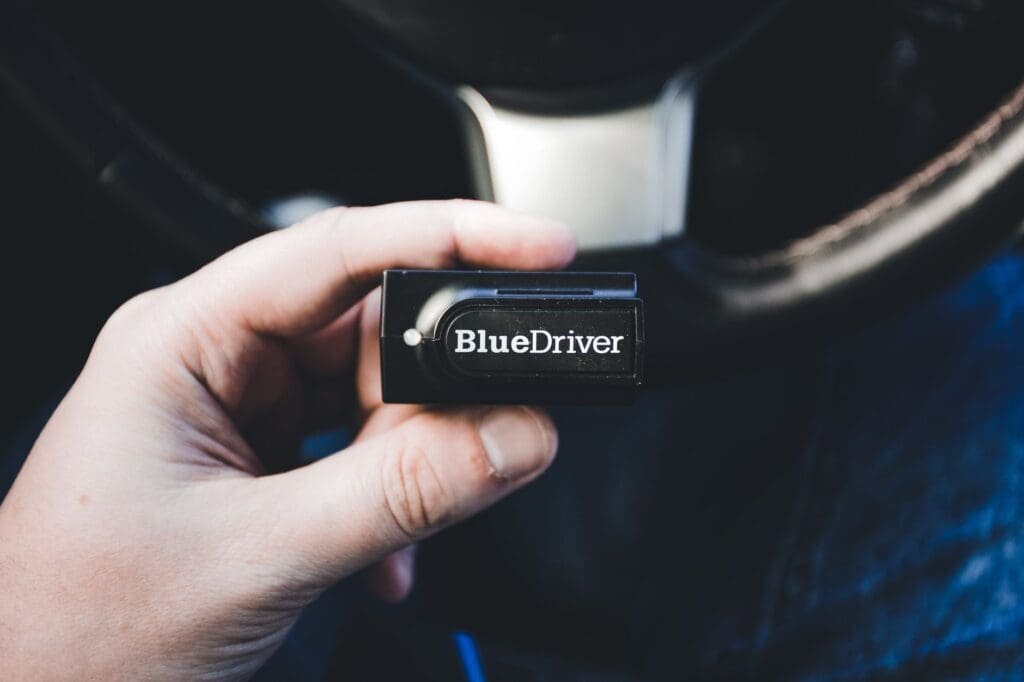
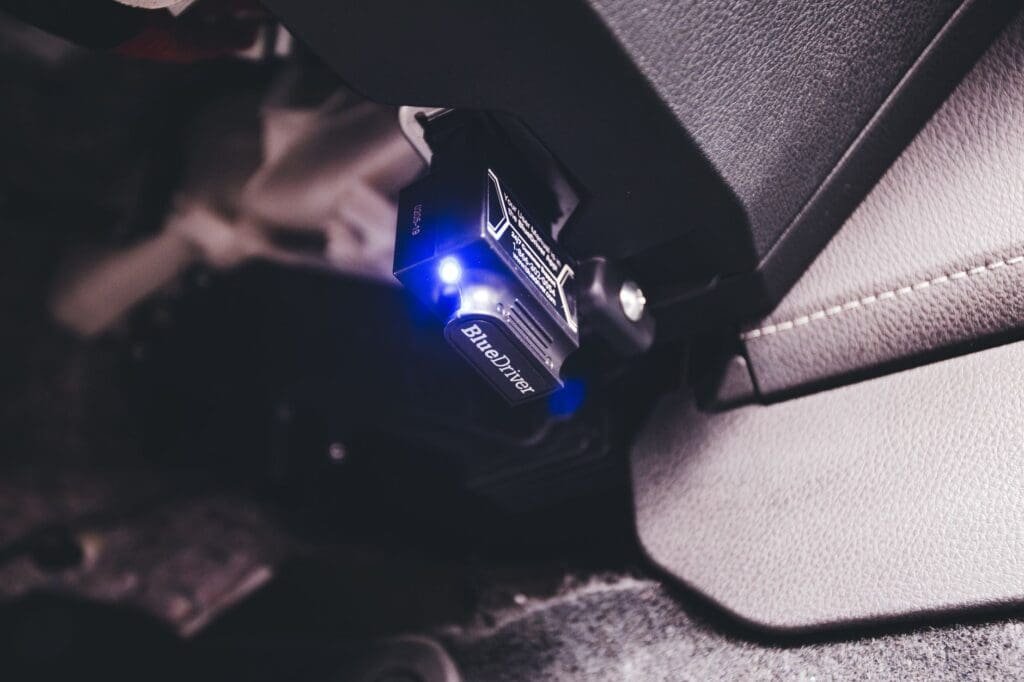
We use proper Audi-compatible diagnostic equipment, not generic readers. We can check injector output, pump pressure, NOx sensor signal, heater circuit integrity, and ECU calibration data. We cover Leicester, Loughborough, Coventry, Derby, Nottingham, and the broader Midlands area.
FAQs: Audi AdBlue Faults
Which Audi models use AdBlue?
Most Audi diesel models from 2016 onwards are Euro 6 compliant and use AdBlue. This includes the A3 2.0 TDI, A4 2.0 TDI, A6 2.0 and 3.0 TDI, A7, Q3, Q5 2.0 and 3.0 TDI, and Q7. Check the filler cap near your fuel cap or under the bonnet to confirm.
How often does an Audi need AdBlue?
Most Audi diesels consume roughly one litre per 600–1,000 miles depending on driving style and engine. The warning light will alert you when the level is approaching the minimum — typically with 1,500–2,000 miles of range remaining.
Can I reset the Audi AdBlue warning myself?
If the warning is triggered solely by low fluid, filling the tank may clear it automatically on the next drive cycle. If there’s an active fault code, you’ll need a VCDS or compatible diagnostic tool to clear it. Simply filling the tank won’t clear a stored system fault.
What happens if I ignore the Audi AdBlue warning?
The vehicle will eventually enter a no-start countdown. Once that counter reaches zero, the car will not start. The fault must be diagnosed and the counter reset by a specialist or main dealer. This is a legal requirement under Euro 6 regulations — it’s not a manufacturer setting that can be bypassed at the pump.
Is P204F serious on an Audi?
Yes. P204F means the SCR system is not performing within spec. Left unaddressed, it leads to P20EE (catalyst efficiency drop) and eventually a no-start countdown. Get it diagnosed before it escalates.
Audi AdBlue Warning? Let’s Get It Sorted.
Mobile diagnostics across Leicester, Loughborough, and the Midlands. Proper Audi-compatible diagnosis, clear advice, and fast turnaround.