Why Your AdBlue System Keeps Failing Again and Again
If you’ve topped up AdBlue, cleared fault codes, or even had work done — only for warnings and limp mode to return days or weeks later — you’re not alone.
Repeated AdBlue failures are rarely down to bad luck. They usually point to how the SCR system is interpreted by the ECU, rather than a single part that has suddenly failed.
How the AdBlue System Actually Works
Modern diesel vehicles use a Selective Catalytic Reduction (SCR) system to manage emissions. The system relies on multiple inputs working together and being within strict tolerances.
Instead of focusing on individual components, the ECU looks at:
- NOx sensor readings before and after the catalyst
- SCR efficiency calculations
- AdBlue dosing behaviour versus expected values
- System responses during warm-up and driving cycles
When one of these values drifts outside expected limits, the ECU logs a fault and may reduce power or start a no-start countdown.
The Real Reasons AdBlue Faults Keep Coming Back
In day-to-day use, repeated AdBlue warnings are most often caused by logic and data issues, not by a single broken component.
Common triggers include:
- NOx sensor readings that fluctuate or fall outside ECU thresholds
- SCR efficiency checks failing intermittently
- AdBlue level or dosing data not matching ECU expectations
- Communication issues between SCR control modules
- Software adaptations drifting over time
Clearing a code or topping up fluid does not change how the ECU evaluates these conditions. As a result, the same fault often returns after a short period of driving.
Why Replacing Parts Often Doesn’t End the Problem
Many drivers are told the issue is fixed once a sensor is replaced or a warning is cleared. In reality, the SCR system continues to monitor live data on every journey.
If another reading later falls outside range, the ECU logs a new fault — even if previous work appeared successful.
This is why some vehicles go through a cycle of:
- warning appears
- code is cleared
- vehicle runs normally for a short time
- warning returns
Once this pattern starts, it rarely stops without addressing the underlying system logic.
Why DIY Fixes Rarely Last
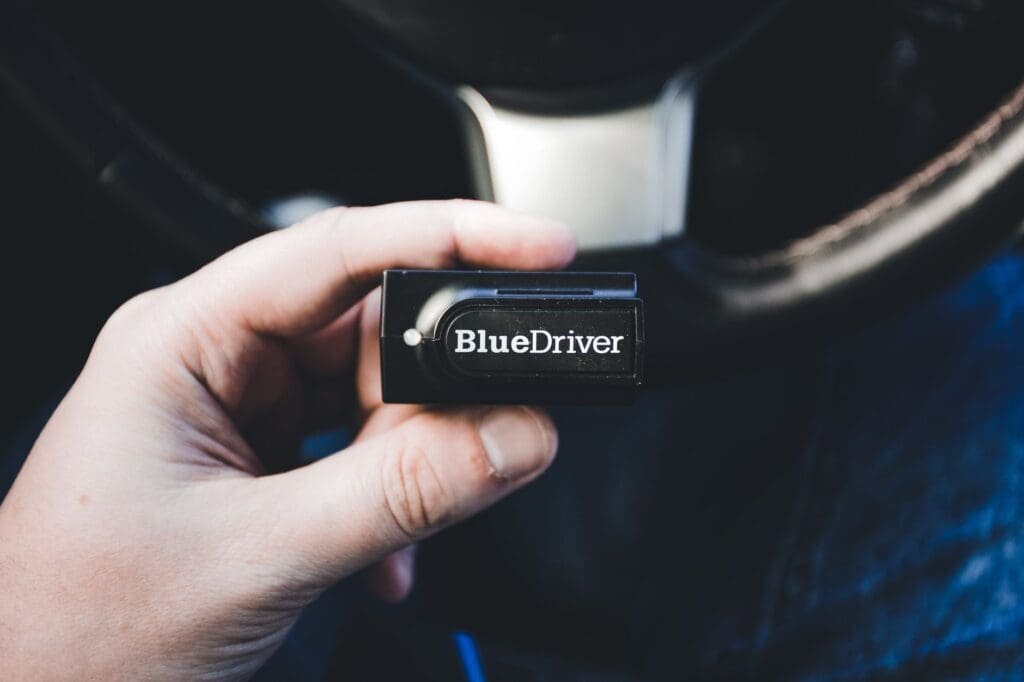
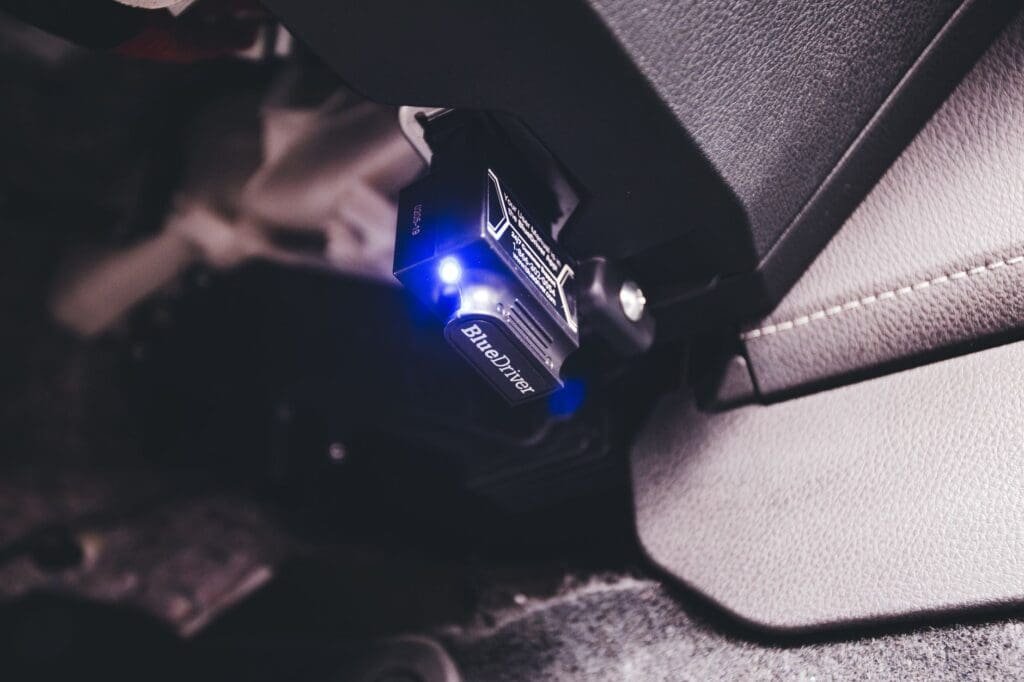
Battery disconnects, basic OBD readers, and generic resets can remove warnings temporarily, but they do not alter how the ECU processes SCR data.
As soon as the system runs its next self-check, the ECU may detect the same condition again and reactivate warnings or limp mode.
How Persistent AdBlue Faults Are Usually Resolved
There are typically three paths once faults become persistent:
1. Software reset and adaptation checks
In some cases, correcting software adaptations and clearing incorrect data is enough to stop faults returning — particularly when issues were triggered by temporary conditions.
2. Ongoing repair route
Drivers who want to keep the factory emissions system active may choose to pursue further investigation through a garage or dealer. This route can involve repeated visits as the system continues to age.
3. AdBlue delete (off-road / export use)
An AdBlue delete is a software-only solution that disables SCR and AdBlue logic inside the ECU. This removes the conditions that cause warnings, limp mode, and no-start countdowns.
This option is intended for off-road, motorsport, or export vehicles and is not suitable for UK road use.
Why Many Owners Choose a Software-Based Solution
We often speak to drivers after:
- multiple warning lights have returned
- repairs have not delivered lasting results
- downtime is affecting work or deliveries
- the cost of chasing faults outweighs the value of the vehicle
At that stage, a software-based approach offers predictability and reliability, especially for working vans where uptime matters.
Vehicles Commonly Affected by Repeat AdBlue Faults
Repeated AdBlue issues are common across many modern diesels, including:
- Ford Transit and Transit Custom
- Mercedes Sprinter
- Peugeot Boxer and Expert
- Citroën Relay
- VW Crafter and Transporter
- BMW and Audi diesel models
The symptoms differ slightly by manufacturer, but the underlying SCR logic behaviour is often very similar.
Get Help With Ongoing AdBlue Problems
We provide mobile software resets and AdBlue delete solutions where suitable. We don’t replace parts or carry out physical repairs.
Based in Leicester, we cover Leicestershire and the Midlands, including Coventry, Derby, and Nottingham. Same-day visits are often available.
- Phone: 07349 821 999
- Email: info@ifixadblue.co.uk
- Hours: Monday–Sunday, 09:00–20:00
You may also find these helpful: No-start countdown guide | AdBlue problems overview | AdBlue delete service