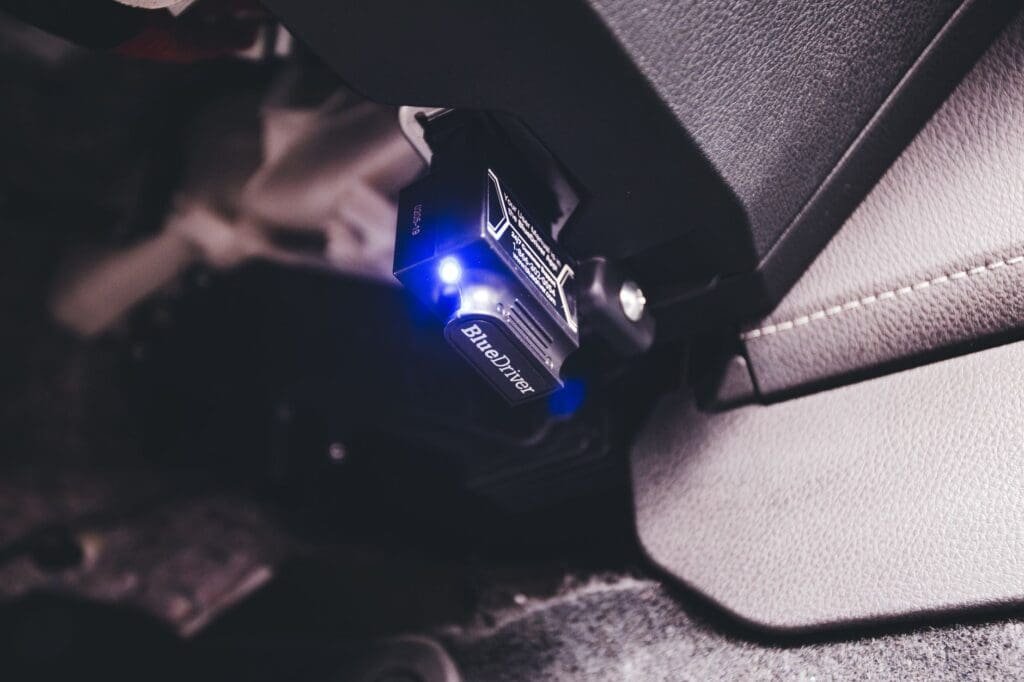
If your dash is showing a Mercedes Vito AdBlue malfunction warning, the problem is rarely as simple as just topping the tank up and driving on. On the Vito, this warning can sit behind a low fluid message, an emissions fault, a no-start countdown, or a fault that keeps coming back after a refill. The important part is not guessing. The right fix depends on what the system is actually seeing.
That matters because the AdBlue system on a Mercedes Vito works through the wider SCR setup. The tank, level reading, dosing side, heater logic, NOx feedback, and control software all have a say in whether the warning clears or stays on. If one part of that chain gives bad data, the van can still act as if the whole system has failed.
Contents
Quick answer
A Mercedes Vito AdBlue malfunction warning usually points to a fault in the SCR system rather than simply low fluid. Common causes include level sensor issues, heater faults, dosing pressure problems, poor readings from a NOx sensor, or a countdown triggered by stored emissions faults. On the live iFixAdBlue site, similar Mercedes van issues are already linked to heater faults, pump faults, warning lights, and no-start situations, while the service pages focus on mobile AdBlue fault help and no-start counter resets. :contentReference[oaicite:1]{index=1}
The safest approach is to identify which part of the chain is failing before you spend money on parts. If the warning is ignored, the system can escalate into reduced power or a start-prevention countdown on affected vehicles. :contentReference[oaicite:2]{index=2}
What the Mercedes Vito AdBlue malfunction warning usually means
On a Vito, the dash message can appear in a few different forms. Some drivers see a straight AdBlue system warning. Others get an emissions fault, an engine warning light, or a mileage countdown that says the van will not start after a certain distance. Different wording, same basic problem: the ECU no longer trusts part of the emissions system enough to leave it alone.
That does not automatically mean the tank is empty. It also does not always mean the SCR catalyst itself has failed. In many cases, the warning is the result of a reading problem, a dosing problem, or a fault that has not reset correctly after the original trigger. This is why so many owners refill the tank and then find the message still sitting there.
Mercedes vans are already a known trouble area for AdBlue-related warnings on the live site, especially around heater faults, pump faults, countdown messages, and repeated warning lights. The Vito sits inside that same family of issues, even though the exact cause can differ from van to van. :contentReference[oaicite:3]{index=3}
The key point: the message is a symptom, not a diagnosis. You need to find out whether the van is struggling with fluid level recognition, fluid delivery, temperature control, NOx feedback, stored faults, or start-lock logic.
Most common causes on a Vito
1. AdBlue level or quality reading problems
One of the most frustrating faults is when the van acts like the tank is still low after you have already filled it. That can come from a bad level reading, a sensor issue, contaminated fluid, or the system not completing its reset logic properly. The result is simple: the dash still believes there is an AdBlue problem, so the warning remains active.
2. Heater faults in colder weather
AdBlue needs the system to manage temperature correctly. If heater operation is not right, dosing can be affected and the ECU may log a fault. On the live iFixAdBlue Mercedes van content, heater faults are named as one of the main repeat issues behind warnings and countdowns. :contentReference[oaicite:4]{index=4}
On a Vito, this can show up as a warning that appears more often on cold starts, after frosty nights, or after a period of standing. Some drivers notice the van behaves better once warmed up, which can point you toward heater or temperature-related logic rather than fluid level alone.
3. Pump or dosing pressure faults
The SCR system still needs to move AdBlue properly. If pressure is low, the injector is not fed as expected, or the pump is not operating correctly, the van may trigger an emissions fault and eventually start-limiting behaviour. Low-pressure and dosing faults are already part of the broader Mercedes van pattern on the live site. :contentReference[oaicite:5]{index=5}
4. NOx sensor readings that no longer make sense
The system does not only look at the AdBlue side. It also looks at what the emissions sensors are reporting. If a NOx sensor is reading badly, dropping out, or drifting, the van can decide that the SCR system is not working even when the tank is full. That is one reason why owners sometimes change one visible AdBlue part and still see the same message come back.
5. Stored fault logic and countdown status
Sometimes the main issue is not the fresh warning you can see on the dash, but the stored status sitting behind it. Once a no-start countdown has started, the van may not simply forget about it after a refill or a basic code clear. The live no-start service page makes that point clearly: once the logic has moved into countdown or lockout territory, the vehicle often needs the fault and the countdown status handled properly rather than just reset blindly. :contentReference[oaicite:6]{index=6}
Why the no-start countdown appears
This is the stage most Vito owners want to avoid. At first, you may only have a warning message. Leave it too long, or let the underlying fault remain active, and the system can escalate into a distance-based countdown. That countdown is the van’s way of telling you the emissions fault is serious enough to stop the engine being restarted later.
Drivers often assume the countdown is linked only to an empty tank. It can be. But it can also happen when the van thinks the SCR side is not operating correctly, the system cannot confirm dosing, or emissions readings are outside what it expects. The live iFixAdBlue no-start page explains that these countdowns are commonly triggered by AdBlue system faults, SCR faults, or NOx-related issues rather than low fluid alone. :contentReference[oaicite:7]{index=7}
On a working vehicle, the system wants to see a believable chain of events. There needs to be fluid available. The system needs to be able to heat and dose it properly. The feedback from the emissions side needs to make sense. If that chain breaks, the warning can move from annoying to urgent very quickly.
| Warning stage | What you may see on a Vito | What it often points to |
|---|---|---|
| Early warning | AdBlue malfunction, emissions warning, engine light | Sensor issue, refill recognition issue, heater fault, dosing fault |
| Escalating fault | Warning returns after refill or after clearing | Underlying SCR fault still active or countdown logic stored |
| Urgent stage | No-start in X miles or engine start not possible message | System has moved into lockout prevention mode and needs proper resolution |
Why the warning can stay on after a refill
This is one of the most common search patterns around Mercedes vans and it catches a lot of drivers out. You add AdBlue, expect the message to disappear, and nothing changes. In some cases the number even keeps counting down. That normally means one of four things:
- the system has not recognised the refill properly
- the level reading itself is wrong
- another SCR-related fault was the real trigger all along
- the countdown or fault status needs more than a basic reset
If the root cause sits with a heater, pressure issue, NOx reading, or deeper SCR fault, adding fluid will not solve it. You may have full fluid in the tank and still be driving toward a no-start situation. That is why refill-only thinking wastes time on these vans.
The live AdBlue Problems page also makes the same wider point: warnings, countdown messages, and no-start situations are often triggered by SCR logic or sensor data rather than one simple failed part. :contentReference[oaicite:8]{index=8}
What should be checked first
If you are dealing with a Mercedes Vito AdBlue malfunction warning, the first goal is to narrow the fault properly. That means looking at what the van is complaining about, what stage the warning is at, and what happened just before the problem started.
Check the exact dash wording
There is a big difference between a low AdBlue prompt, a general malfunction message, and an engine start prevention countdown. The wording helps you understand whether the issue is basic, active, or already moving into a lockout phase.
Check whether the warning appeared after a refill
If it did, ask a few simple questions. Was the tank genuinely low before? Has the message ever gone off since? Was the fluid definitely clean and correct? Did the van behave differently before and after the refill? This helps separate a fluid recognition issue from a longer-running SCR fault.
Check whether cold weather or short runs make it worse
That can point toward temperature, heater, or incomplete readiness issues. If the message appears after overnight parking and seems less aggressive once warm, heater logic becomes more likely.
Check whether there is already reduced power or a countdown
This changes the urgency. Once the van is counting down, the aim is no longer just to make the light disappear. It is to stop the vehicle from stepping into a no-start state.
Check whether recent parts changes have actually changed anything
If the owner has already replaced a sensor, topped up the tank, or cleared the codes but the warning has returned, that often tells you the visible symptom was not the real cause. This is exactly where guesswork gets expensive.
Avoid the usual trap: replacing a part because it is the cheapest or easiest item to blame. On Mercedes AdBlue faults, that often leads to the same warning returning because the system still has a live logic problem elsewhere.
Repair route or software route
The right route depends on the van, the age of the fault, what stage the countdown is in, and what the owner actually wants from the vehicle. Some owners want to keep the system active and solve the fault in the normal repair path. Others reach the point where repeated AdBlue trouble, repeated warning returns, or start-prevention logic push them toward a software-based solution.
On the live site, iFixAdBlue positions itself around mobile AdBlue fault help, no-start counter resets, diagnostics, and software-based solutions carried out at the customer’s location rather than in a garage. That is the framework this topic needs to support. :contentReference[oaicite:9]{index=9}
When the repair route makes sense
- the fault is new and clearly identified
- the owner wants to retain the existing system route
- the issue appears limited to one confirmed component or one confirmed reading problem
- there is no history of repeat AdBlue warnings every few weeks
When a software-led discussion usually starts
- the warning keeps returning after previous work
- the van is already in a countdown situation
- the owner has already spent money chasing the fault without a stable result
- downtime matters more than repeating workshop visits and towing
This does not mean every Vito with an AdBlue malfunction needs the same answer. It means the van should be assessed based on what is actually happening, not on assumptions made from the warning alone.
When to stop driving and deal with it
If the van still starts, many owners keep using it and hope the warning sorts itself out. Sometimes that works for a very minor issue. Often it does not. The bigger risk is letting the system move from warning stage into countdown stage, or from countdown stage into a start-prevention event where the van is parked up and cannot be restarted.
You should deal with it quickly if:
- the wording includes any no-start mileage countdown
- the van is already in reduced power or limp mode
- the warning returned immediately after a refill
- the same fault has appeared more than once
- the van is relied on for daily work, deliveries, or site access
The live service pages are built around exactly that real-world problem: drivers and van owners who do not want to be pushed into a garage booking, a tow, or a roadside no-start when the warning could have been dealt with earlier. :contentReference[oaicite:10]{index=10}
Getting the right next step
The best next step with a Mercedes Vito AdBlue malfunction is to treat the message as the starting point, not the answer. Work out whether the van is dealing with a refill recognition problem, a heater issue, a dosing problem, a NOx reading fault, or countdown logic that now needs proper handling. That is what stops wasted money and repeat faults.
If you are in Leicester, Leicestershire, or the wider Midlands, iFixAdBlue presents its service around mobile AdBlue fault help at your location, with no garage visit required and support for warning lights, countdown issues, and related SCR problems. The live site also positions contact and booking around same-day mobile help in many cases. :contentReference[oaicite:11]{index=11}
Need help with a Mercedes Vito AdBlue malfunction?
If the warning is still on, the refill has made no difference, or the van is moving toward a no-start countdown, the sensible step is to get the fault narrowed properly before more money is spent on parts roulette.
Use the live service pages below to book the most relevant help:
Leicester-based mobile coverage is promoted across Leicestershire and the Midlands on the live site. :contentReference[oaicite:12]{index=12}
FAQs
Can low AdBlue alone cause a Mercedes Vito malfunction warning?
It can, but not always. A Vito can also show this warning because of a level reading problem, heater issue, dosing fault, NOx feedback fault, or stored countdown logic.
Why is my Mercedes Vito still showing AdBlue malfunction after I filled the tank?
That usually means the refill was not the full answer. The van may not be recognising the new level properly, or another SCR-related fault may have triggered the warning in the first place.
Can a Mercedes Vito AdBlue malfunction lead to a no-start countdown?
Yes. If the system sees the emissions fault as active for long enough, it can escalate into a mileage countdown and eventually stop the engine from restarting. :contentReference[oaicite:13]{index=13}
Is this more likely in winter?
Cold weather can make heater-related problems more obvious, especially on vans already struggling with the AdBlue side of the system. Mercedes van heater faults are already highlighted on the live site as a repeat issue. :contentReference[oaicite:14]{index=14}
What is the best first step?
Find out whether the problem is fluid recognition, dosing, heater operation, NOx readings, or no-start logic. That is the quickest way to avoid repeat warnings and unnecessary parts replacement.