iFix AdBlue — Leicester, Leicestershire & the Midlands
Common EGR Fault Symptoms in Diesel Vans (And When a Delete Makes More Sense Than a Repair)
EGR valve faults are one of the most misdiagnosed problems in diesel vans. Understanding the symptoms — and knowing when a repeat fault means a different solution is needed — can save you a significant amount of time and money.
What the EGR Valve Actually Does
EGR stands for Exhaust Gas Recirculation. The EGR valve recirculates a portion of the engine’s exhaust gas back into the intake manifold, where it mixes with fresh air before combustion. The purpose is to reduce the peak combustion temperature, which in turn reduces the production of nitrogen oxides (NOx).
In modern diesel vans — particularly Euro 5 and Euro 6 engines — the EGR system works alongside the diesel particulate filter (DPF), the AdBlue dosing system, and the SCR catalyst to meet emissions targets. It is an active component that operates across a wide range of engine speeds and loads, and it is controlled by the engine management unit (ECU).
The EGR system includes the EGR valve itself, an EGR cooler (which cools the recirculated gases before they re-enter the intake), and a network of temperature and position sensors. Any of these components can fail, and when they do, the ECU stores a fault code and may limit engine performance.
The Most Common EGR Fault Symptoms in Diesel Vans
EGR fault symptoms can range from barely noticeable to significant performance problems, depending on how the valve is failing. A valve that is stuck open causes different symptoms to one that is stuck closed — and an EGR cooler leak produces a distinct set of issues of its own.
Limp mode
One of the most common presentations of a serious EGR fault is the engine entering limp mode — where the ECU limits power output to protect the engine. You will notice the van feels sluggish, revs won’t build cleanly, and performance is severely reduced. Limp mode is a sign the ECU has detected a fault it considers significant enough to require immediate attention.
Engine management warning light
An illuminated engine management light (EML) is almost always present with an EGR fault. The light itself doesn’t tell you what the fault is — you need a diagnostic scan to read the stored codes. Some vans will also display a specific fault message on the dashboard, while others just show the generic warning light.
Rough idle or hesitation under acceleration
A partially blocked or intermittently sticking EGR valve can cause the engine to idle roughly, especially when cold. Under acceleration, you may notice hesitation, stumbling, or a feeling that the engine isn’t pulling cleanly through the rev range. This is often caused by an incorrect mixture of exhaust gases entering the intake at the wrong time.
Black smoke from the exhaust
An EGR valve stuck in the open position allows too much exhaust gas to recirculate, which reduces the oxygen available for combustion. The result is incomplete burning of fuel, which produces visible black smoke — particularly noticeable under load or acceleration.
Reduced fuel economy
A malfunctioning EGR valve forces the engine to work harder to compensate for incorrect gas flow. A noticeable drop in fuel economy — often 5 to 15 percent — is a common sign that the EGR system is not working correctly. On a van covering high annual mileage, this adds up quickly.
Difficult cold starts
An EGR valve stuck in the open position reduces compression by allowing exhaust gas into the combustion chamber during the start cycle. Cold mornings can become noticeably harder, with the engine cranking for longer before firing, or failing to start on the first attempt.
A clean EGR fault on a van with low mileage and a straightforward history is often a one-off. A third or fourth EGR fault on a high-mileage commercial van is usually telling you something more fundamental about the carbon state of the intake system — and repair alone may not be the best answer.
EGR Fault Codes: What Your Diagnostics Will Show
A diagnostic scanner will return one or more fault codes when the ECU has detected an EGR problem. These are the most common codes seen on diesel vans:
| Fault Code | Description | What It Often Indicates |
|---|---|---|
| P0400 | EGR Flow Malfunction | General EGR flow outside expected range |
| P0401 | EGR Insufficient Flow | EGR stuck closed or heavily carbonised |
| P0402 | EGR Excessive Flow | EGR stuck open |
| P0403 | EGR Control Circuit Malfunction | Wiring or solenoid fault |
| P0405 | EGR Sensor A Circuit Low | Position sensor fault or wiring issue |
| P0406 | EGR Sensor A Circuit High | Position sensor fault or wiring issue |
| P2454 | EGR Temperature Sensor Low | Temperature sensor or EGR cooler fault |
| P2455 | EGR Temperature Sensor High | EGR cooler blockage or sensor fault |
It is important to understand that fault codes indicate where to look — not always which component to replace. A P0401 code, for example, could indicate a failed EGR valve, a blocked intake manifold, a failed position sensor, or a vacuum leak depending on the specific engine. Reading live data alongside stored codes gives a much clearer picture of what is actually happening.
Why EGR Faults Keep Coming Back
The most frustrating aspect of EGR faults for many van owners and fleet operators is that they return. A garage replaces the EGR valve, clears the code, and within six to twelve months the fault is back. There are several reasons why this happens.
Carbon buildup in the intake manifold
The root cause of most EGR valve failures is carbon — not the valve itself. Recirculated exhaust gases carry carbon particles and oil vapour from the crankcase ventilation system. Over time, this builds up as a thick deposit inside the intake manifold, around the EGR port, and on the back of the intake valves. Replacing the valve without removing and cleaning the intake manifold just introduces a new valve into a still-contaminated environment.
Short-journey driving patterns
Vans used predominantly for short journeys — delivery drivers, service engineers, tradespeople doing multiple short stops — are at significantly higher risk of rapid carbon buildup. Short runs don’t allow the engine to reach and hold operating temperature long enough to burn off light deposits. On heavily used commercial vans, carbon accumulation can be severe within 60,000 miles.
Euro 6 engine sensitivity
Euro 6 diesel engines operate with more demanding EGR requirements than their Euro 5 predecessors. The EGR rate is higher, the system is more active across a wider operating range, and the sensors are more sensitive. This makes Euro 6 vans more susceptible to early EGR faults and more likely to set a fault code from a relatively minor level of deposit buildup.
EGR cooler issues
The EGR cooler can fail in two ways: it can become blocked with deposits (restricting flow and triggering a P0401 or temperature code), or it can develop a coolant leak internally. An internal cooler leak introduces coolant vapour into the intake — which causes its own damage and can lead to rapid and severe carbon fouling throughout the intake system.
If your EGR fault is accompanied by white smoke from the exhaust, a sweet smell, or coolant loss without an obvious external leak, the EGR cooler should be inspected before any further work is carried out.
EGR Repair vs EGR Delete: When Does a Delete Make More Sense?
EGR delete is a software-based solution that instructs the ECU to stop operating the EGR valve. Once mapped out, the EGR valve is physically disconnected, and the fault condition is eliminated from the system. It is not appropriate in every situation — but for certain vans and certain histories, it is the more practical and cost-effective option.
When repair is usually the right choice
- First EGR fault on a low-mileage van
- Vehicle is still under manufacturer or extended warranty
- Single component failure confirmed by live data (not general carbonisation)
- Intake manifold is clean and has been properly inspected
When a delete is worth considering
- Third or fourth EGR fault on the same vehicle
- High-mileage commercial van (100,000+ miles)
- Carbon buildup throughout the intake that would require expensive strip-down to address properly
- Total repair cost is approaching a significant proportion of the vehicle’s value
- Van is used exclusively off-road or in private fleet operation where emissions compliance is managed differently
For a full explanation of what EGR delete involves, what the process looks like, and what you should know before deciding, see our EGR Delete Explained guide.
Getting It Diagnosed Properly First
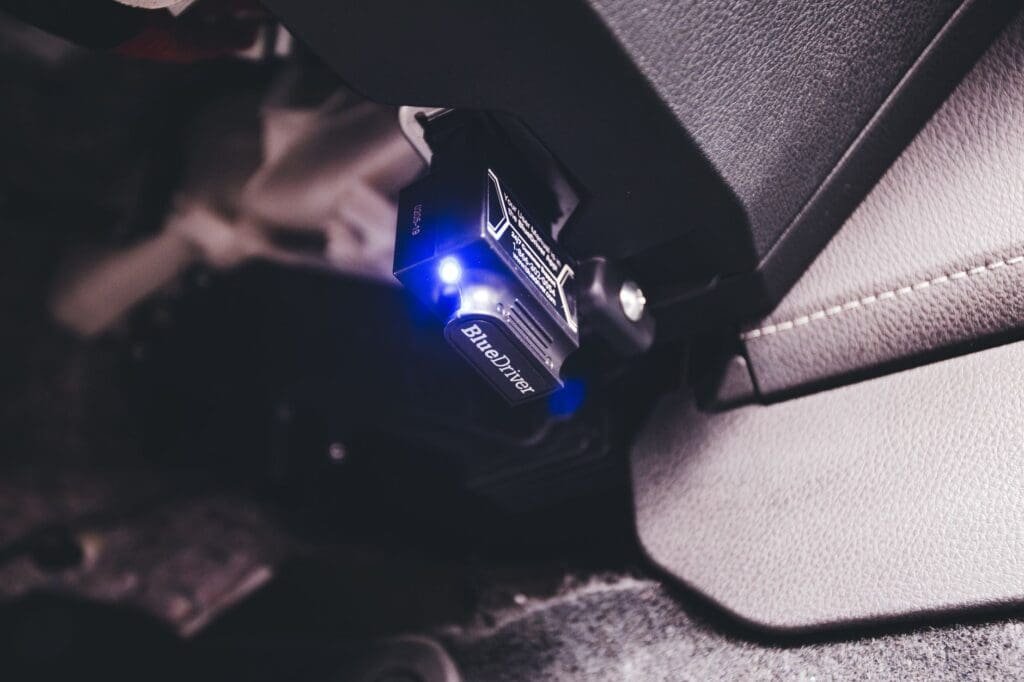
The most important step before committing to any EGR repair or delete decision is a proper live data diagnostic — not just a code read. Stored fault codes tell you which sensor or circuit has triggered a flag. Live data shows you how the EGR valve is actually behaving: whether it is opening and closing correctly, whether the position sensor is reading accurately, and whether there are secondary issues like intake temperature abnormalities.
iFix AdBlue carries out mobile EGR diagnostics across Leicester, Leicestershire, and the wider Midlands. We can read stored codes, pull live data, and give you an honest assessment of whether the fault is a straightforward component issue or a pattern that points to a more systemic problem. Visit our diagnostics page to find out more, or get in touch to arrange a visit.
Frequently Asked Questions
Can I drive with an EGR fault warning light?
In most cases, yes — but with reduced performance if limp mode is active. The fault won’t clear itself, and continued driving without diagnosis may accelerate carbon buildup or allow a secondary fault to develop. It is worth getting a diagnostic scan done promptly rather than leaving it.
Will replacing the EGR valve fix the fault permanently?
Not necessarily. If the intake manifold is heavily carbonised, a new valve will encounter the same conditions as the failed one. A proper repair should include an inspection of the intake manifold and EGR cooler, and cleaning where deposits are found. Simply swapping the valve on a high-mileage van often results in the fault returning within a few months.
What vans are most prone to EGR faults?
The Ford Transit (2.0 and 2.2 TDCi), Mercedes Sprinter (OM651 and OM642 engines), Volkswagen Crafter (2.0 TDI), Peugeot Boxer, Citroën Relay, Fiat Ducato, and Iveco Daily are all regularly seen with EGR faults — particularly when used on short-run duty cycles.
How much does EGR repair typically cost?
A basic EGR valve replacement is typically £150–£350 in parts and labour depending on vehicle make and access. If the intake manifold requires removal and cleaning, add £200–£400 to that. If the EGR cooler has failed, a replacement alone can be £300–£600 on some Sprinter and Transit engines. Costs vary considerably by vehicle.
Is EGR delete legal?
EGR delete removes an emissions control component. See our full EGR Delete Explained guide for a complete breakdown of the legal position, MOT implications, and what it means for road use.
Dealing with a recurring EGR fault?
iFix AdBlue provides mobile diagnostics and EGR assessment across Leicester, Leicestershire, and the Midlands. We’ll read live data, not just codes, and give you a straight answer on whether repair or delete makes more sense for your van.