NOx sensor • Diagnosis • Confirm before replacing
Is It the NOx Sensor? How to Confirm the Fault Before Replacing Parts
A drifting NOx sensor is often logged as an AdBlue or SCR fault, so the wrong part gets replaced.
This guide explains how the fault is confirmed with live data before any money is spent, and which signs point to the sensor rather than the tank, pump or injector.
NOx sensors sit at the heart of the SCR system.
They tell the ECU whether emissions are dropping as expected after AdBlue dosing.
When a sensor drifts or fails, the system assumes the SCR is not working.
The result often looks like an AdBlue problem.
In reality, the sensor is feeding bad data.
That is why the fault needs confirming with live data before parts are swapped, rather than guessed from the warning light.
If you want the full list of warning signs and the fix options, see our guide to the signs your NOx sensor is failing.
Many SCR and AdBlue warnings start with a NOx sensor that is slowly drifting out of range.
What a NOx sensor actually does
Most diesel vehicles use two NOx sensors.
One before the SCR catalyst.
One after it.
- The upstream sensor measures raw NOx levels.
- The ECU commands AdBlue dosing.
- The downstream sensor checks how much NOx remains.
- The ECU compares the values to confirm SCR efficiency.
If the numbers do not line up, the ECU logs a fault.
That fault may blame AdBlue, SCR efficiency, or emissions performance.
Signs that point to the NOx sensor
AdBlue or emissions warning lights
The most common sign.
Often appears without any change in how the vehicle drives.
Intermittent faults
Warning clears, then returns days later.
Heat cycles can affect failing sensors.
Limp mode or reduced power
The ECU limits output when emissions readings fall outside limits.
No-start countdown messages
If ignored, persistent NOx faults can trigger a start-prevented countdown.
These symptoms are often logged as SCR or AdBlue faults rather than “NOx sensor failed”.
Why NOx sensors fail
- Heat exposure in the exhaust
- Internal sensor ageing
- Wiring damage or water ingress
- Contamination from exhaust deposits
Many sensors degrade slowly.
That is why faults start intermittently.
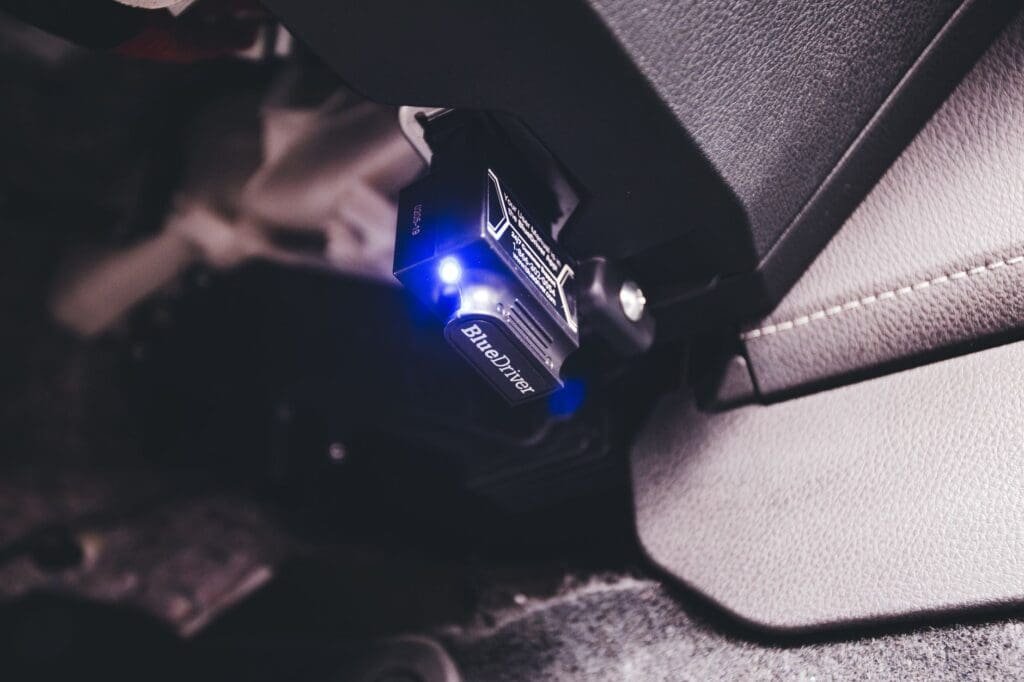
How diagnostics confirm a NOx sensor issue
A proper diagnostic does not rely on one code.
It checks whether sensor data makes sense under real conditions.
- Comparing upstream and downstream NOx readings
- Checking response to dosing changes
- Inspecting wiring and connectors
- Reviewing fault history and freeze-frame data
This forms part of our
mobile diagnostics
service.
What to do if you suspect a NOx sensor fault
- Do not keep clearing the warning
- Do not assume it is always the AdBlue tank
- Get live data checked before replacing parts
Depending on the result, options sit under
NOx service options
or targeted repair.
Seeing AdBlue or SCR warnings with no clear cause?
A drifting NOx sensor is easy to miss.
One diagnostic visit can confirm it and stop the cycle.