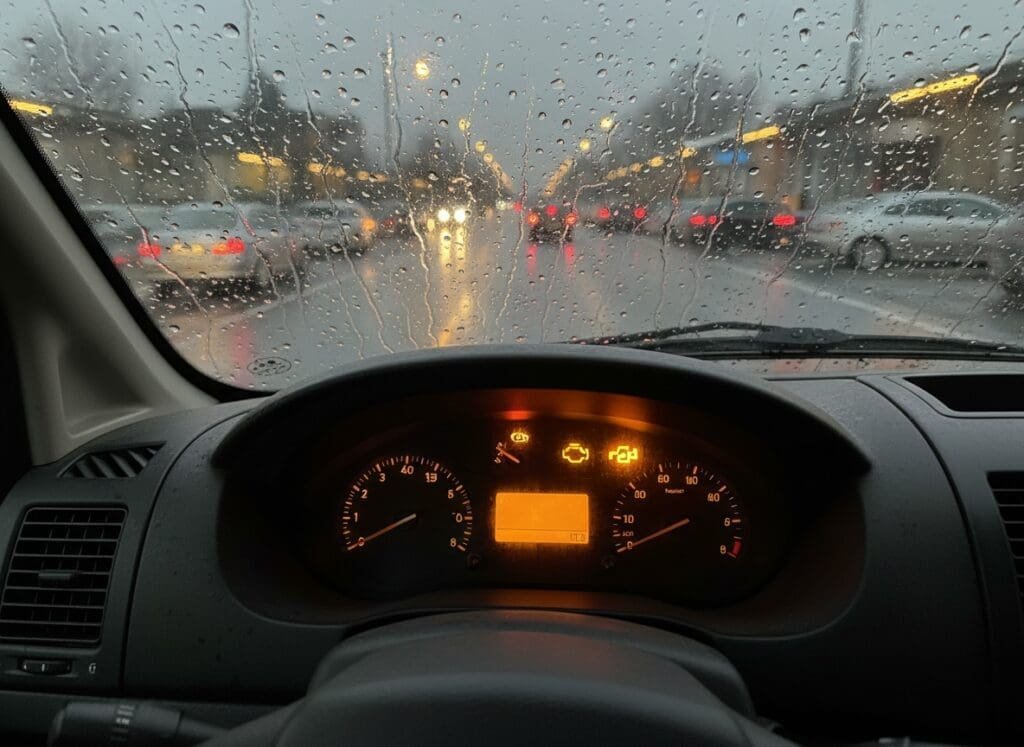
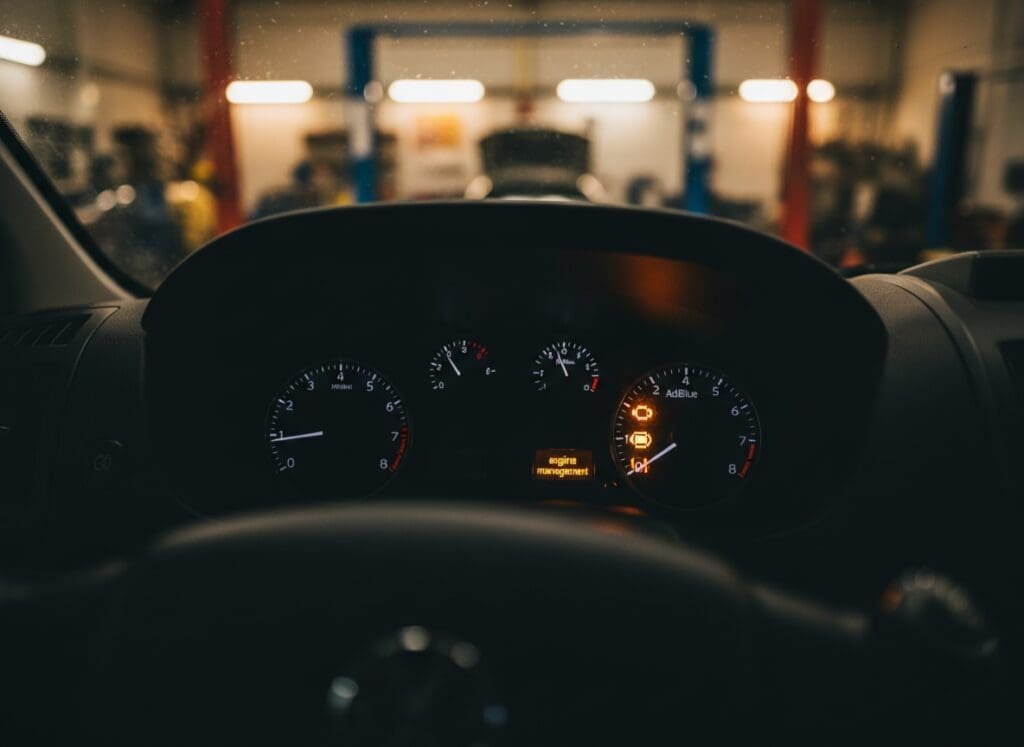
Ford Transit vans are workhorses, but their AdBlue systems can be expensive headaches. If you’re seeing warning lights, countdown timers, or limp mode on your Transit, you’re not alone. This guide covers the most common AdBlue problems, fault codes, repair costs, and whether AdBlue delete is the right solution for your van.
What is AdBlue & Why Does It Matter on Ford Transits?
AdBlue is a diesel emissions fluid (DEF) that reduces harmful nitrogen oxide (NOx) emissions. It’s injected into your exhaust system and is required by law on all diesel vehicles sold after 2015.
On Ford Transits, AdBlue problems are especially common because:
- High mileage commercial use (more strain on the system)
- Contaminated fuel or poor-quality AdBlue
- Cold weather freezing issues (especially in winter)
- Faulty heater elements
- Worn injectors and pumps
Most Common Ford Transit AdBlue Problems
1. AdBlue Warning Light & No-Start Countdown
What it means: Your Transit’s AdBlue tank is low or empty. You’ll see a warning light and a countdown timer (usually 1,500 miles remaining).
Why it happens:
- Tank is genuinely empty (most common)
- Faulty level sensor
- Contaminated AdBlue preventing proper system function
Cost to fix:
- Refill AdBlue: £30-£60 (DIY or at fuel station)
- Replace level sensor: £150-£300 + labour
- System flush & refill: £200-£400 (if contaminated)
Timeline: Same-day if just a refill; 2-3 days if sensor replacement needed
2. AdBlue Heater Failure (Winter Freeze)
What it means: Your AdBlue has frozen in the tank or lines, preventing injection into the exhaust.
Why it happens:
- AdBlue freezes at -11°C (common in UK winters)
- Faulty heater element not warming the tank
- Poor-quality AdBlue with low freeze protection
Symptoms:
- Warning light appears in cold weather only
- Limp mode when temperatures drop
- System works fine when van warms up
Cost to fix:
- Heater element replacement: £300-£600 + labour (£100-£200)
- Tank replacement: £500-£1,000 + labour (if heater can’t be replaced separately)
- AdBlue flush & premium refill: £150-£250
Timeline: 1-2 days (heater element); 3-5 days (tank replacement)
3. AdBlue Pump Failure
What it means: The pump that injects AdBlue into the exhaust has failed or is clogged.
Why it happens:
- Contaminated AdBlue clogging the pump
- Electrical failure in the pump motor
- Worn pump from high mileage
Symptoms:
- Warning light with no countdown timer
- Limp mode (reduced power, max 50 mph)
- Fault code P20EE or P204F
Cost to fix:
- Pump replacement: £400-£800 + labour (£150-£250)
- Pump cleaning/repair: £200-£400 (if salvageable)
- System flush: £150-£250
Timeline: 2-3 days
4. Faulty AdBlue Injector
What it means: The injector nozzle spraying AdBlue into the exhaust is blocked, worn, or leaking.
Why it happens:
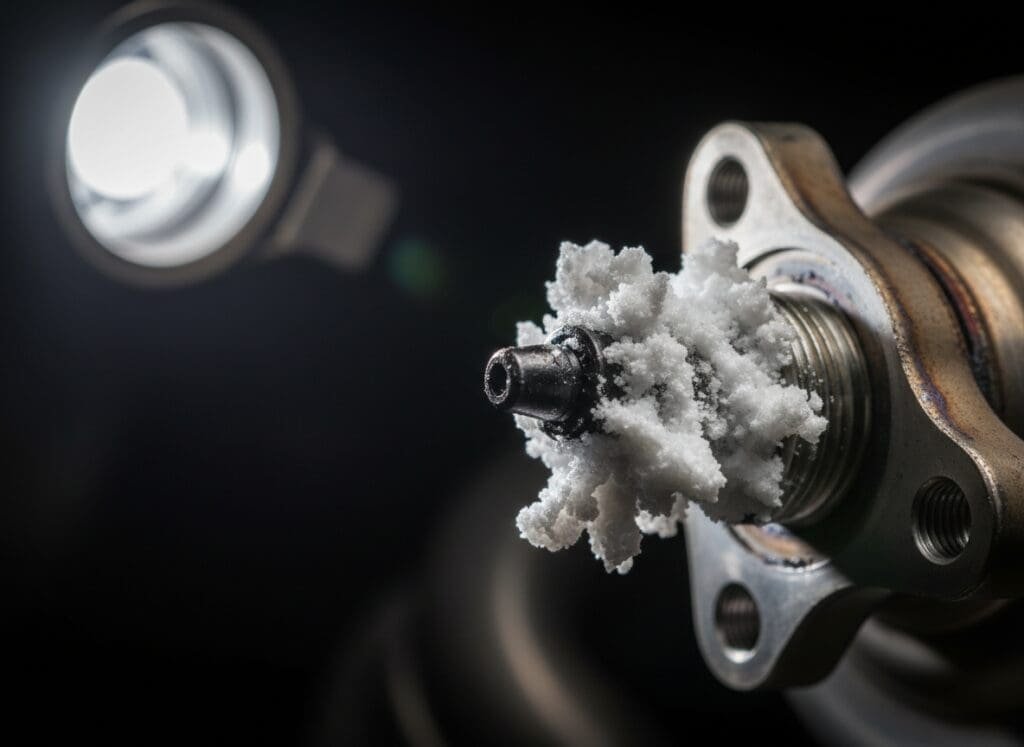
- Contaminated AdBlue crystallizing in the nozzle
- Normal wear from high mileage
- Poor fuel quality affecting the entire system
Symptoms:
- Warning light + limp mode
- Fault codes P20EE, P2002, or P204F
- Rough idle or poor performance
Cost to fix:
- Injector replacement: £300-£600 + labour (£100-£200)
- Injector cleaning: £150-£300 (if not damaged)
- System flush: £150-£250
Timeline: 1-2 days
5. DPF & AdBlue System Overload (Combined Problem)
What it means: Your DPF (Diesel Particulate Filter) is clogged, forcing the AdBlue system to work overtime, which causes it to fail.
Why it happens:
- Lots of short journeys (DPF can’t regenerate properly)
- Poor fuel quality
- Worn engine producing excess soot
- AdBlue system can’t keep up with emissions load
Symptoms:
- AdBlue warning light + DPF warning light
- Limp mode
- Excessive fuel consumption
- Fault codes: P20EE, P2002, P204F, or DPF-related codes
Cost to fix:
- DPF cleaning: £300-£600
- AdBlue system service: £200-£400
- Both combined: £500-£1,000
- DPF replacement: £1,500-£3,000 (if cleaning fails)
Timeline: 2-5 days
Common Ford Transit AdBlue Fault Codes Explained
| Fault Code | Meaning | Severity | Typical Fix |
|---|---|---|---|
| P20EE | AdBlue system malfunction / low pressure | High | Pump/injector replacement or system flush |
| P204F | AdBlue quality issue / contamination | High | System flush + refill with premium AdBlue |
| P2002 | NOx sensor circuit malfunction | High | Sensor replacement or system recalibration |
| P0101 | Mass airflow sensor fault (affects AdBlue) | Medium | Sensor cleaning or replacement |
| P0420 | Catalyst system efficiency below threshold | Medium | Often linked to AdBlue failure; system service needed |
| U0001 | CAN bus communication error | Medium | Electrical diagnosis; may affect AdBlue module |
Ford Transit AdBlue Problem Cost Breakdown (2025 UK Prices)
Budget Repairs (£100-£300)
- AdBlue refill: £30-£60
- Level sensor replacement: £150-£300
- System flush: £150-£250
Mid-Range Repairs (£300-£800)
- Heater element replacement: £300-£600
- Pump cleaning/repair: £200-£400
- Injector cleaning: £150-£300
- Injector replacement: £300-£600
Major Repairs (£800-£2,000+)
- Pump replacement: £400-£800
- Tank replacement: £500-£1,000
- DPF cleaning: £300-£600
- Combined DPF + AdBlue service: £500-£1,000
- Full system replacement: £1,500-£2,500
Labour Costs
- Diagnostic scan: £50-£100
- Simple repairs (refill, sensor): £50-£150
- Complex repairs (pump, injector, heater): £150-£300
AdBlue Repair vs. AdBlue Delete – Which is Right for Your Transit?
Choose AdBlue Repair If:
- Your van is relatively new (under 5 years old)
- You only have one fault (not recurring problems)
- You want to keep the vehicle fully legal and compliant
- You plan to sell the van in the next 2-3 years
- You do mostly motorway driving (AdBlue system works well)
Pros:
- Fully legal and MOT-compliant
- No resale issues
- Warranty protection (if under warranty)
- Peace of mind
Cons:
- Expensive repairs (£400-£1,500+)
- Problems often recur (contaminated AdBlue, heater failures)
- Ongoing AdBlue refills (£30-£60 every 6-12 months)
- Downtime for repairs
Choose AdBlue Delete If:
- Your van has recurring AdBlue problems (multiple repairs)
- You’ve already spent £1,000+ on AdBlue repairs
- You want to eliminate the problem permanently
- You do mostly urban/short-journey driving
- You’re willing to accept legal risks for cost savings
Pros:
- Eliminates all AdBlue problems permanently
- No more warning lights or limp mode
- Improved fuel economy (5-15% savings)
- Reduced DPF clogging (less soot = fewer regenerations)
- One-time cost (£300-£500)
Cons:
- Illegal to sell a van with a delete (without disclosure)
- MOT failure risk (visual inspection may detect it)
- Warranty void (if still under manufacturer warranty)
- Resale complications (must disclose to buyers)
- Environmental impact (higher emissions)
When Does AdBlue Delete Make Financial Sense?
AdBlue delete is worth considering if:
- You’ve had 2+ AdBlue repairs in 12 months (costs add up fast)
- Your van is out of warranty (no warranty to void)
- You plan to keep the van long-term (5+ years)
- You do mostly urban/commercial work (short journeys where AdBlue causes problems)
- You’re comfortable with the legal implications (not reselling soon)
Example cost comparison:
| Scenario | Repair Route | Delete Route | Winner |
|---|---|---|---|
| One heater failure | £400-£600 | £350-£500 | Repair (one-time cost) |
| Heater + pump failure in 18 months | £800-£1,400 | £350-£500 | Delete (saves £300-£900) |
| 3+ repairs in 2 years | £1,200-£2,000+ | £350-£500 | Delete (saves £700-£1,500+) |
How to Prevent AdBlue Problems on Your Ford Transit
- Use premium AdBlue (not cheap supermarket brands)
- Cost: £40-£60 per tank
- Saves: £300-£800 in repairs
- Keep the tank at least 25% full (prevents contamination)
- Check level monthly
- Refill before winter
- Avoid short journeys (DPF can’t regenerate, AdBlue system overloads)
- Take longer routes when possible
- Motorway driving helps
- Service regularly (every 12 months or 12,000 miles)
- Catch problems early
- Cost: £150-£300
- Park in a garage in winter (prevents freezing)
- Especially important if heater is faulty
- Saves: £300-£600 in heater replacements
- Use a fuel additive (improves fuel quality, reduces soot)
- Cost: £20-£40 per tank
- Saves: £200-£500 in DPF/AdBlue repairs
What to Do If Your Ford Transit Has AdBlue Problems
Step 1: Get a Diagnostic Scan (£50-£100)
- Identifies the exact fault code
- Determines if it’s a one-time issue or recurring problem
- Guides your repair decision
Step 2: Get Multiple Quotes
- Get 2-3 quotes from different garages
- Compare parts, labour, and warranty
- Mobile mechanics often cheaper than main dealers
Step 3: Decide: Repair or Delete
- If under warranty: repair
- If recurring problems: consider delete
- If one-time fault: repair and monitor
Step 4: If Repairing, Use Premium Parts
- Genuine Ford or quality aftermarket parts
- Avoid cheap Chinese replacements (fail quickly)
- Ask for warranty on parts (usually 12 months)
Step 5: If Deleting, Use a Professional
- Find a reputable ECU remapping specialist
- Ask for references and warranty
- Get it in writing (legal protection if caught)
Key Takeaways
- AdBlue problems are common on Ford Transits (especially high-mileage vans)
- Repairs cost £300-£1,500+ depending on the fault
- Problems often recur (contamination, freezing, wear)
- AdBlue delete is a permanent solution but has legal implications
- Repair makes sense for newer vans or one-time faults
- Delete makes sense for older vans with recurring problems
- Prevention is cheaper than repair (premium AdBlue, regular servicing)
Need Professional Help?
If your Ford Transit has AdBlue warning lights, fault codes, or limp mode, get a diagnostic scan today. The sooner you identify the problem, the sooner you can decide whether to repair or delete—and the sooner you get back on the road.
Whether you choose repair or delete, don’t ignore AdBlue problems. They only get worse (and more expensive) over time.