iFix AdBlue — Leicester & Midlands Mobile Specialist
Low Urea Warning Light on Your Car or Van: What It Actually Means and What to Do Next
A low urea warning does not always mean you simply need a top-up. Here is what the warning actually tells you, why it sometimes persists after refilling, and when a specialist needs to diagnose the underlying fault.
In this guide
- What urea is and why diesel vehicles need it
- Urea versus AdBlue: is there a difference?
- What the low urea warning light actually means
- Why topping up sometimes does not clear the warning
- Common causes behind a persistent urea warning
- The no-start countdown: what happens if you ignore it
- Is a urea delete the right long-term fix?
If a low urea warning has appeared on your dashboard, your first instinct is probably to top up the fluid. That is the right first step — but it does not always work. On many diesel vans and cars, the warning light persists after refilling, or clears briefly before returning within days or weeks.
Understanding what the low urea warning is actually telling you makes it much easier to decide on the right course of action. Sometimes the answer is a top-up. Sometimes it is a system fault that a top-up will never resolve.
What urea is and why diesel vehicles need it
Urea, in the context of diesel vehicles, refers to the fluid used in the Selective Catalytic Reduction (SCR) system. The SCR system is designed to reduce harmful nitrogen oxide (NOx) emissions from diesel exhaust gases. Urea solution is injected into the exhaust stream, where it triggers a chemical reaction that breaks down NOx into harmless nitrogen and water.
This system became standard on Euro 5 and Euro 6 diesel vehicles. Without urea in the tank, the SCR system cannot function correctly, and the ECU will detect the fault and trigger a warning.
Why the system is so important
Euro 6 vehicles in particular are calibrated to operate within strict NOx emission limits. The SCR system is not optional — it is a core part of the emissions strategy. Running low on urea means the system cannot reduce NOx emissions to the required level, which is why the ECU responds with a warning and, eventually, a countdown to a no-start condition.
Urea versus AdBlue: is there a difference?
In practice, urea and AdBlue refer to the same product. AdBlue is the brand name for a specific formulation of high-purity urea solution — 32.5% urea dissolved in deionised water. When your dashboard shows a low urea warning, it is the AdBlue tank that is running low or malfunctioning.
The terms are used interchangeably in the industry. Some manufacturers label the warning as “low urea,” others use “AdBlue low,” “DEF low” (Diesel Exhaust Fluid), or simply an emissions warning symbol. They all refer to the same system.
If your dashboard says “urea,” “AdBlue,” “DEF,” or shows a warning symbol with a liquid and exhaust reference, it is the same fluid and the same system. The response is the same: check the level first, then investigate if the warning persists.
What the low urea warning light actually means
A low urea warning light can be triggered by two very different situations, and it is important to distinguish between them because the fix is completely different.
Scenario 1: The tank is genuinely low
If the urea tank level has dropped below the threshold set by the ECU, the warning light will illuminate. This is the straightforward scenario — the fluid needs topping up, and once the level is restored, the warning should clear after a short drive cycle.
The tank is usually located separately from the fuel tank, with its own filler cap (often marked in blue). AdBlue is available from most fuel stations, motor factors, and van dealers.
Scenario 2: There is a system fault
If the tank level is fine but the warning light is still on — or if the light returned quickly after a top-up — the issue is not the fluid level. It is a fault within the urea or SCR system itself. This is a different problem entirely and requires diagnosis, not just refilling.
Confusing these two scenarios is one of the most common mistakes van owners make. Repeatedly topping up AdBlue when the underlying issue is a component fault wastes money and time while the fault continues to develop.
Why topping up sometimes does not clear the warning
There are several reasons why a top-up fails to clear the low urea warning:
- The ECU needs a drive cycle to reset — on some vehicles, the warning does not clear immediately. You may need to complete a full drive cycle (motorway speeds, sustained load) before the ECU re-evaluates the tank level and clears the warning.
- The AdBlue quality sensor is faulty — if the sensor that reads the fluid quality is giving incorrect data, the ECU may continue to flag a fault even with a full, clean tank.
- The level sensor is inaccurate — a faulty level sensor may not correctly communicate that the tank has been refilled, leaving the warning active.
- There is crystallisation in the system — old or degraded AdBlue can crystallise, blocking lines, the injector, or the pump. A blocked injector will trigger a system fault regardless of tank level.
- The SCR system itself has a fault — the catalyst, NOx sensors, or SCR pump may be failing independently of the fluid level.
Common causes behind a persistent urea or low urea warning
Once it is clear that the warning is not simply a low level issue, the investigation focuses on the SCR system components. The most common faults that present as a persistent urea warning are:
AdBlue injector problems
The AdBlue injector doses fluid into the exhaust stream at precisely timed intervals. Injectors are prone to crystallisation — dried urea builds up around the nozzle, blocking flow or causing misfiring. The ECU detects the dosing anomaly and flags a fault. Fault codes P20EE (SCR catalyst efficiency below threshold) and P204F (reductant pressure too low) are common indicators of injector-related problems.
AdBlue pump failure
The pump pressurises the urea system and delivers fluid from the tank to the injector. A failing pump produces insufficient pressure, meaning the correct dose cannot be delivered. This triggers low-pressure fault codes and a system warning that persists regardless of tank level.
NOx sensor faults
Modern diesel SCR systems use upstream and downstream NOx sensors to monitor the efficiency of the catalyst. If a NOx sensor is sending inaccurate readings, the ECU may interpret a correctly operating system as insufficient — generating a low urea or SCR efficiency warning even when the tank is full and the injector is working.
Contaminated or degraded fluid
AdBlue has a shelf life of approximately 12 to 18 months and degrades in heat or direct sunlight. Degraded fluid may not trigger the correct chemical reaction in the SCR catalyst, leading the system to flag a fault. In some cases, using out-of-date AdBlue or accidentally filling with the wrong fluid can cause lasting system damage.
The no-start countdown: what happens if you ignore the warning
Many Euro 6 diesel vehicles are programmed with a no-start countdown system. Once the ECU detects a persistent AdBlue or urea fault, it begins counting down the number of starts remaining before the vehicle refuses to start entirely. This countdown is separate from the fuel gauge and cannot be overridden by simply adding fuel.
If your vehicle has a no-start countdown system and the countdown reaches zero, the engine will not start on the next attempt — regardless of whether the tank is full. Getting the fault diagnosed early gives you the most options and avoids the cost and inconvenience of a breakdown.
Countdown systems are particularly common on Mercedes Sprinter, Ford Transit, Volkswagen Crafter, Fiat Ducato, and Peugeot Boxer vans, as well as on many Euro 6 passenger cars. The number of starts in the countdown varies by manufacturer — some give you 100 starts, others as few as 10.
A specialist can read the countdown status during a diagnostic scan and advise on how urgent the fault resolution needs to be.
Is a urea delete the right long-term fix?
A urea or AdBlue delete removes the requirement for urea from the ECU’s operating logic, disabling the SCR system electronically. Once completed, the vehicle no longer monitors, requests, or relies on AdBlue — and the low urea warning will not return.
This is a viable long-term solution for many van operators, particularly those using vehicles off-road, in agricultural or industrial settings, or where repeated AdBlue system repairs have become a recurring cost. It is a software-based process that does not require removing hardware from the vehicle.
As with any emissions-related modification, the implications depend on how the vehicle is used and where. A specialist can help you understand what a urea delete involves before committing to it, and whether a repair to the specific faulty component is a more appropriate first step.
Whether you choose a targeted repair or a delete, the starting point is always an accurate diagnosis. Knowing which component has failed — injector, pump, sensor, or catalyst — gives you a clear repair cost to compare against the delete option before making the decision.
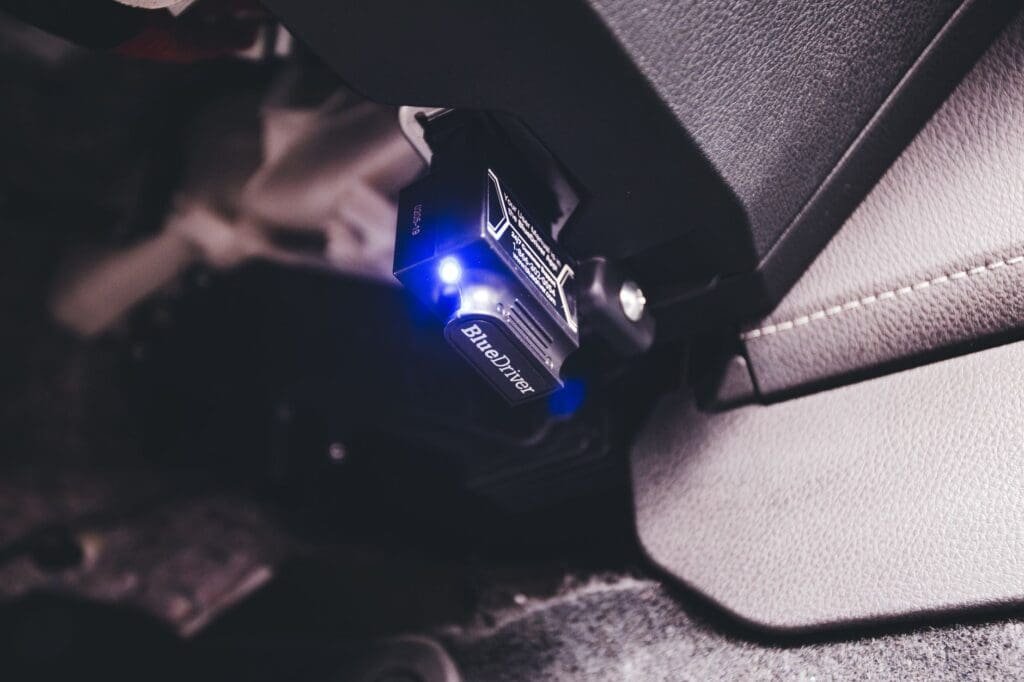
iFix AdBlue provides mobile diagnostics across Leicester, Leicestershire, and the Midlands. A diagnostic scan will identify the active fault codes, assess the SCR system status, and give you a clear picture of what is causing the low urea warning before any work begins.
Low urea warning that won’t clear? We can diagnose it today
iFix AdBlue is a mobile SCR and urea system specialist covering Leicester, Leicestershire, and the wider Midlands. We come to you, run a full diagnostic scan, and explain exactly what is causing the fault before recommending any repair or delete option.
Frequently asked questions
What does low urea mean on a car or van?
A low urea warning means your vehicle’s SCR (Selective Catalytic Reduction) system has detected a problem with the urea — also called AdBlue or DEF — that it uses to reduce NOx emissions. It may mean the tank is low and needs topping up, or it may indicate a fault within the system itself such as a failed injector, pump, or sensor.
Can I drive with a low urea warning?
Most vehicles will continue to run with a low urea warning, but many are equipped with a no-start countdown. Once the countdown reaches zero, the vehicle will not start. The number of starts remaining varies by make and model. It is strongly advisable to have the fault investigated promptly rather than continuing to drive until the countdown expires.
Why is my urea warning still on after I filled up the AdBlue?
If the warning persists after topping up, the issue is likely a system fault rather than a simple low level. Common causes include a faulty AdBlue quality sensor, a blocked or crystallised injector, a failing pump, or a NOx sensor error. These faults require diagnosis to identify and cannot be resolved by adding more fluid.
Is urea the same as AdBlue?
Yes. AdBlue is the brand name for a high-purity urea solution (32.5% urea in deionised water) used in diesel SCR systems. Some manufacturers refer to it as DEF (Diesel Exhaust Fluid). Whether your dashboard says “urea,” “AdBlue,” or “DEF,” the fluid and the system are the same.
What is a urea delete and is it permanent?
A urea delete is a software modification to the ECU that removes the requirement for urea from the vehicle’s emissions management system. Once completed, the vehicle no longer monitors or requests AdBlue, and the warning will not return. It is a permanent modification unless the ECU is reflashed back to factory settings.