Why Your AdBlue System Keeps Failing Again and Again (And How to Fix It Long‑Term)
I Fix AdBlue | November 2025
Introduction
If you’ve already paid for an AdBlue repair – maybe a new NOx sensor or pump – and the warning light has come back, you’re not alone. We regularly see vans and cars where the AdBlue system has been “fixed” two or three times, but the same faults keep returning.
In this guide we’ll look at:
- The most common reasons AdBlue systems fail repeatedly
- Why swapping parts at random rarely works
- How to diagnose the root cause properly
- When ongoing repairs stop making sense and a different approach is needed
If you’re currently staring at a fault code, you may also want to open our AdBlue fault codes reset guide in another tab.
Symptom vs Root Cause – The Big AdBlue Mistake
Most repeat AdBlue failures happen because garages treat the symptom instead of the root cause. A typical pattern looks like this:
- Warning light comes on, van goes into limp mode.
- Basic code reader shows a NOx or AdBlue fault.
- One part is replaced (often the NOx sensor).
- Light goes off for a few weeks… then comes back.
Without a proper diagnostic strategy, you can easily end up paying for:
- A new NOx sensor and a new pump
- System flushes and software updates
- And still end up with P20EE / P204F / P2002 codes
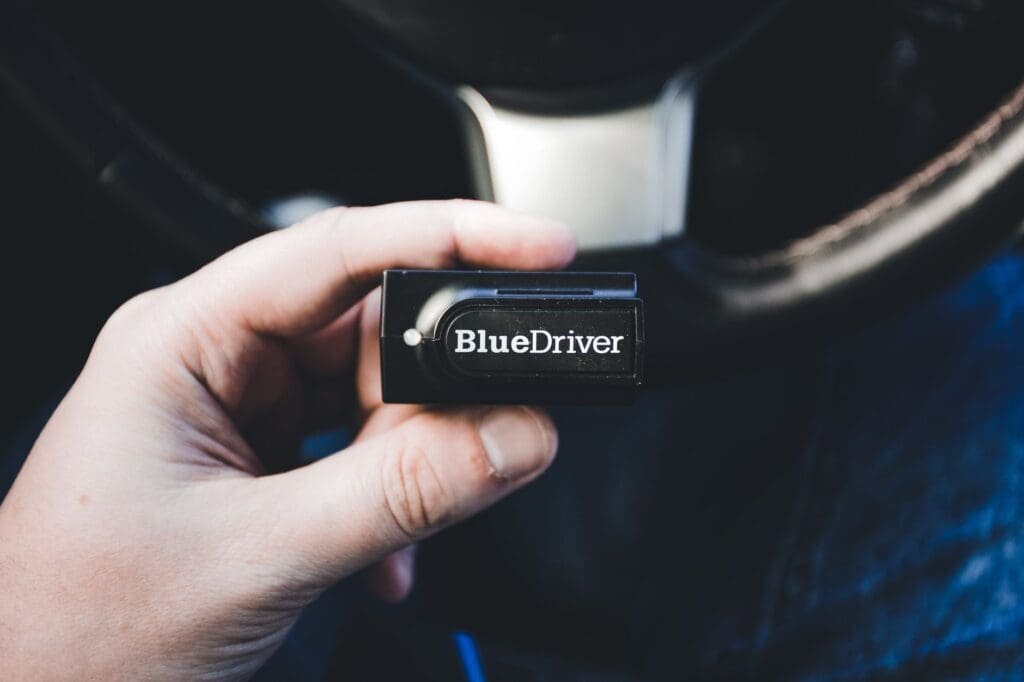
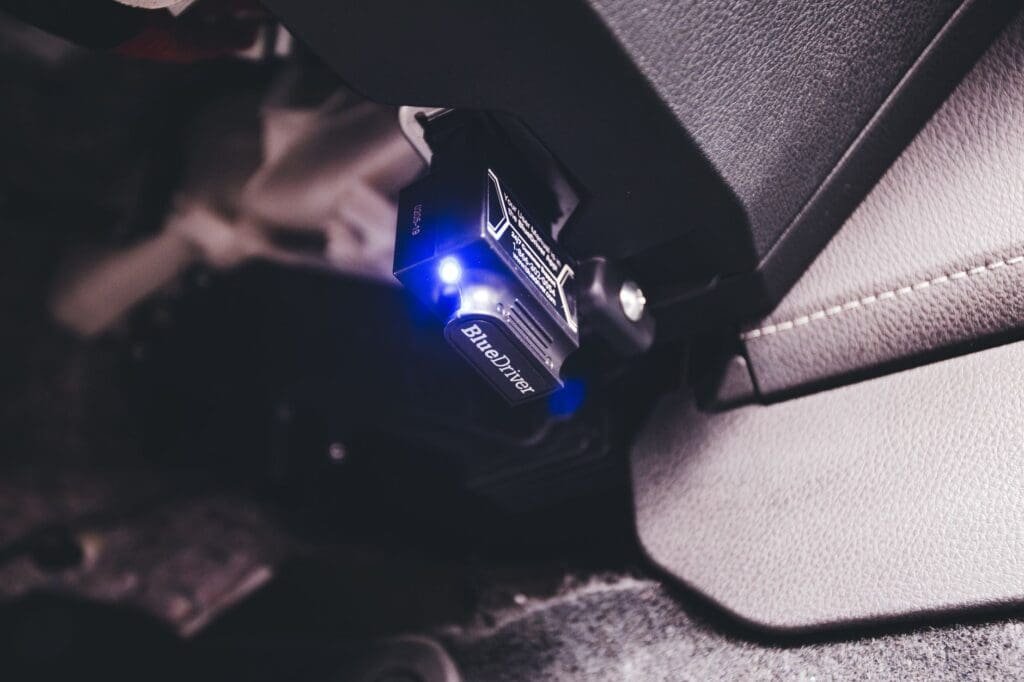
Before spending more, it’s worth understanding what’s really going on. Our article what happens during a mobile vehicle diagnostic explains how a proper test plan should look.
1. Contaminated or Poor‑Quality AdBlue
One of the biggest hidden causes of repeat failures is contaminated AdBlue – either mixed with water, dirt, or even a small amount of diesel.
Why it causes repeat problems:
- Crystals form in the tank, lines and injector
- Pumps and heaters work harder and fail early
- Sensors and the SCR catalyst are slowly damaged over time
Warning signs:
- White crystals around the filler neck
- Strong ammonia smell or discoloured fluid
- Multiple codes over a few months (pump, injector, SCR efficiency)
Long‑term fix:
- Drain the tank completely and flush the system
- Refill with fresh, branded AdBlue from a trusted supplier
- Replace any components already damaged by contamination
We cover real‑world contamination cases in more detail in urea delete – real‑world fixes .
2. Ignoring the First Warning for Too Long
Many drivers see the first AdBlue or emissions warning and keep driving for weeks. The vehicle may still run normally at first, but in the background:
- NOx levels are higher than they should be
- The SCR catalyst is being overloaded
- The DPF may also be filling faster
By the time limp mode or a “0 miles until no start” message appears, you may now have several components affected – not just the original fault.
If you’re already in a countdown situation, our guide 0 miles until no start – here’s how to get your van moving again is the best place to start.
3. Short‑Journey Driving and DPF Overload
AdBlue, EGR and the DPF all work together. Lots of short journeys mean:
- The DPF rarely gets hot enough to regenerate properly
- Back‑pressure in the exhaust increases
- Temperatures and gas flow through the SCR change
The ECU then sees poor DPF or SCR efficiency and logs codes like P2002 or P20EE. If only the AdBlue side is looked at, you can end up replacing parts without ever addressing the driving pattern or DPF load.
On high‑mileage work vans, some owners eventually look at DPF work via Leicester Remaps and AdBlue delete as a combined long‑term solution.
4. Cheap Sensors and Non‑OEM Parts
Because genuine NOx sensors and AdBlue components are expensive, it’s tempting to fit the cheapest parts available. The problem is that:
- Some pattern NOx sensors don’t read correctly
- Cheap pumps may not deliver stable pressure
- Software updates may not be compatible with non‑OEM parts
The result? The light goes out for a short time, then the ECU logs new codes or the same code again.
If you’ve already replaced a NOx sensor once and it’s failed again, our article NOx sensor delete – cost, savings, risks walks through the options.
5. Software Not Updated After Repairs
On many modern vehicles, the AdBlue system relies on specific software versions. After replacing key components, the ECU may need:
- Software updates
- Adaptation resets
- SCR or DPF “learning values” reset
If this isn’t done, the ECU can continue using old data and keep logging efficiency faults even though the hardware is new.
This is one reason why a proper diagnostic session with the right tools often works out cheaper than multiple “parts darts”.
6. Underlying Engine Problems
Sometimes the AdBlue system is doing its best, but the engine itself is the problem:
- Injector issues causing over‑fuelling
- Turbo or boost leaks
- MAF/MAP sensor faults
These can increase soot and NOx production so much that the DPF and SCR can’t cope, even if the AdBlue system is working. The ECU then logs AdBlue‑related codes because that’s where the emissions are measured.
Typical UK Cost Ranges (Guide Only)
To give you a feel for the numbers, here are general UK market ranges for common AdBlue‑related work. These are not specific prices for any one garage or provider.
- Diagnostic session with proper tools: around £50–£120
- AdBlue drain, flush and refill: around £150–£300
- NOx sensor replacement: often £300–£550 per sensor
- AdBlue pump replacement: often £400–£700
- SCR catalyst replacement: often £600–£1,200
For a much more detailed breakdown by fault type, see our complete AdBlue repair cost guide .
When Ongoing Repairs Stop Making Sense
On a newer, low‑mileage vehicle, repairing the AdBlue system to factory spec is usually the best option. But on a high‑mileage work van that has:
- Had multiple NOx sensors or pumps already
- Ongoing SCR or DPF efficiency codes
- Regular limp mode and countdown messages
it’s worth asking whether you’re just throwing good money after bad.
Many owners in this position start looking at:
- AdBlue delete vs repair – what’s right for your van?
- Why some drivers choose an AdBlue delete and what you should know
- Can you still pass an MOT after emissions deletes?
Before making that decision, it’s important to understand the legal and MOT position. Our article AdBlue delete legal UK explains the current situation in detail.
Related Guides
- What causes AdBlue faults and how to fix them
- AdBlue fault codes reset – step‑by‑step
- Why some drivers choose an AdBlue delete and what you should know
- Signs your NOx sensor is failing and what to do about it
- AdBlue problems – service overview
Need Help With a Repeat AdBlue Failure?
If your AdBlue system has already been “fixed” once or twice and the light keeps coming back, it’s time for a proper root‑cause diagnostic instead of more guesswork.
We offer mobile diagnostics and AdBlue solutions across Leicester and the surrounding areas – including repair, optimisation and, where appropriate, delete options. You can get in touch via the contact us page, or browse our AdBlue delete and AdBlue problems service pages for more information.