Van Stuck in Limp Mode Because of AdBlue? Causes, Fixes & UK Cost Guide
I Fix AdBlue | November 2025
Introduction
If your van suddenly drops power, won’t rev properly and feels like it’s “dragging”, there’s a good chance it’s gone into limp mode. For modern diesel vans with AdBlue (SCR) systems, AdBlue faults are one of the most common reasons this happens.
In this guide we’ll cover:
- Why AdBlue problems trigger limp mode
- The most common causes on modern vans
- How to get out of limp mode safely
- Typical UK repair cost ranges (general market guide)
- When it might make sense to consider an AdBlue delete
What Is Limp Mode?
Limp mode is a protective safety feature built into your van’s ECU. When the ECU detects a serious fault – especially with emissions or engine protection – it:
- Limits engine power and RPM (often 2,000–2,500 RPM, sometimes as low as 1,200)
- May limit top speed to 30–40 mph
- Turns on warning lights (engine, AdBlue, or emissions)
The aim is to protect the engine and emissions system and to force the underlying fault to be fixed rather than ignored.
Why AdBlue Problems Cause Limp Mode
On Euro 5/6 vans, the AdBlue system is part of the emissions control. If it isn’t working properly, your van may be producing illegal NOx levels. When that happens, the ECU can:
- Start a countdown such as “0 miles until no start”
- Drop the van into limp mode
- Eventually refuse to start until the fault is fixed and reset
Typical AdBlue-related triggers include:
- The ECU thinks the AdBlue tank is empty or low
- The pump or injector isn’t dosing AdBlue correctly
- The NOx sensor is reading out-of-range values
- AdBlue has frozen or crystallised in pipes or the injector
- The SCR catalyst is no longer working efficiently
Common AdBlue Limp Mode Symptoms
If limp mode is caused by an AdBlue/emissions fault, you’ll usually see one or more of:
- AdBlue or emissions warning light on the dash
- Messages such as “AdBlue system fault” or “Emissions system fault”
- “No engine start in XXX miles” countdown
- Van won’t rev past 2,000–2,500 RPM and struggles on hills
- Fault returns shortly after being cleared with a basic code reader
If you’re seeing a countdown to no start, that’s a strong sign the issue is AdBlue-related rather than a random sensor glitch. For a deeper look at countdown behaviour, see our guide: how to clear a no-start countdown without the dealer .
Main AdBlue‑Related Causes of Limp Mode
1. Empty or Misread AdBlue Level
Sometimes the tank really is low. Other times, the level sensor is misreading and telling the ECU the tank is empty when it isn’t.
Typical signs:
- AdBlue warning light on
- “Refill AdBlue” message even after topping up
- Countdown to no start
What usually fixes it:
- Top up AdBlue fully (not just a couple of litres)
- Drive 10–15 minutes for the system to re-check the level
- If the warning stays on, the level sensor or wiring may need attention
For a full breakdown of typical UK costs for AdBlue work, see our AdBlue repair cost guide .
2. NOx Sensor Fault (Very Common)
The NOx sensor measures emissions. When it fails, the ECU often assumes the AdBlue system isn’t working, even if the tank is full and the pump is fine.
Typical signs:
- Fault codes such as P20EE or P204F
- Emissions or engine warning light
- Limp mode that returns soon after clearing
We cover this in detail in our NOx sensor guides: signs your NOx sensor is failing and NOx sensor delete vs replacement .
3. AdBlue Pump or Injector Failure
If the pump can’t deliver AdBlue, or the injector is blocked, the system can’t reduce NOx – so the ECU forces limp mode to keep emissions under control.
Typical signs:
- “AdBlue system fault” or “Emissions system fault” message
- Limp mode plus a countdown to no start
- AdBlue level never seems to drop
For more detail on pump issues and typical UK cost ranges, see our AdBlue pump repairs cost guide .
4. Frozen or Crystallised AdBlue (Winter Issue)
AdBlue can freeze at around –11 °C. On some vans the heater design isn’t great, so the system struggles in cold weather and crystals can form in pipes and injectors.
Typical signs:
- Fault appears on very cold mornings
- Warning sometimes clears once the van is fully warm
- Visible white crystals around the AdBlue filler or injector
In severe cases, a system flush and heater replacement may be needed. This is covered in more depth in our real‑world AdBlue and urea system fixes .
5. SCR Catalyst Efficiency Problems
If the SCR catalyst is worn, blocked or contaminated, the system can’t clean up emissions properly even if the rest of the AdBlue hardware is fine. The ECU then logs efficiency faults and may trigger limp mode.
Typical signs:
- Fault codes like P204F or P2002
- Emissions fault plus limp mode, especially on high‑mileage vans
- Sometimes combined with DPF issues
Can You Drive a Van in Limp Mode?
You can usually drive short distances in limp mode, but it’s not a long‑term solution. Acceleration is reduced, overtaking is unsafe and towing or carrying heavy loads can be risky.
If there’s a countdown to no start, once it reaches zero the van may refuse to start at all until the fault is fixed and reset. If you’re in that situation, our guide “0 miles until no start – here’s how to get your van moving again” is a useful next read.
How to Get Out of Limp Mode Safely
1. Check the Basics
- Top up AdBlue fully – not just a couple of litres
- Check for obvious leaks around the AdBlue tank area
- Make sure the fuel cap and AdBlue cap are properly closed
2. Read the Fault Codes
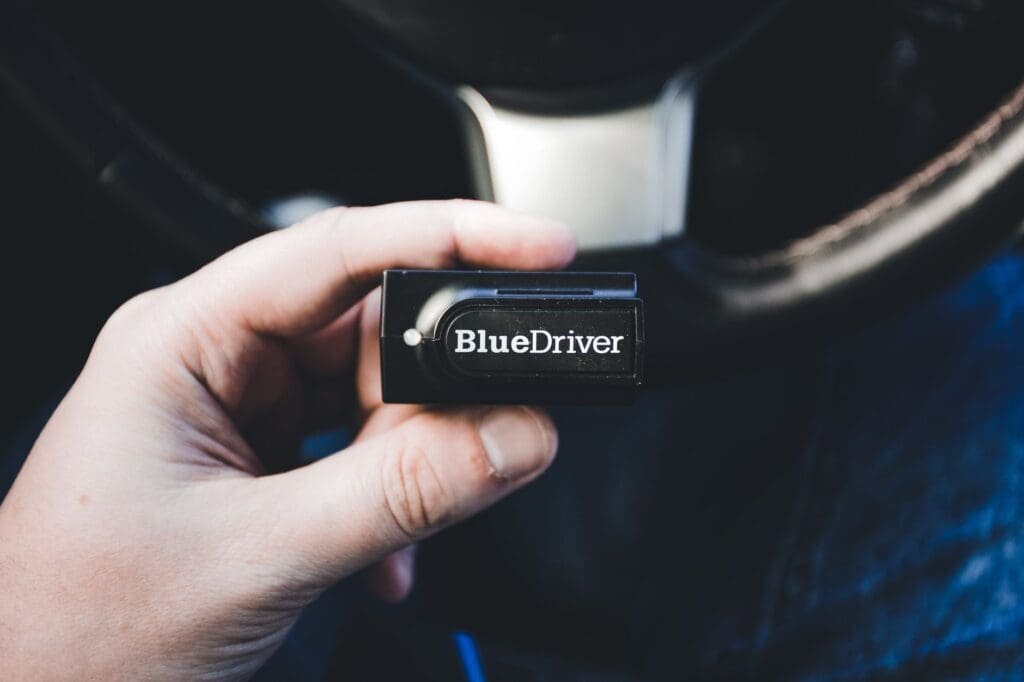
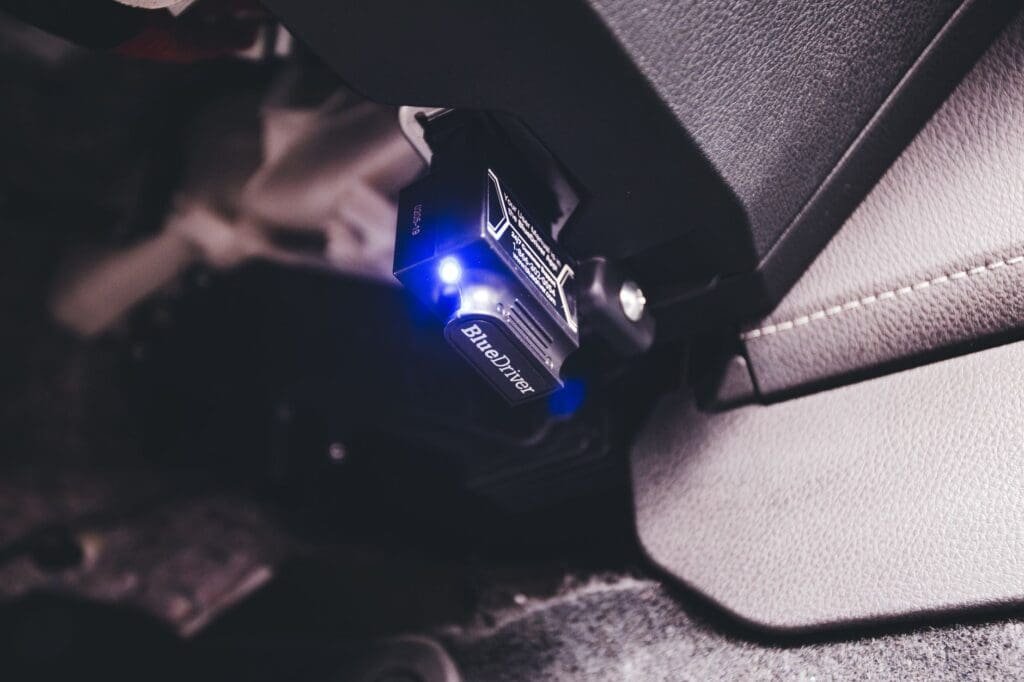
A basic OBD reader can show simple codes, but for AdBlue/NOx/SCR issues a proper diagnostic session is far more reliable. During a professional diagnostic, the technician will use specialist tools similar to those described in our article what happens during a mobile vehicle diagnostic .
3. Fix the Root Cause – Not Just Clear the Code
Clearing the code without fixing the underlying issue nearly always means the fault – and limp mode – will come back. Once the real problem is fixed, the codes can be cleared and the van road‑tested to confirm everything is stable.
Typical UK Cost Ranges (Guide Only)
These figures are general UK market ranges to help you budget – they are not specific prices for any one garage or provider. For a more detailed breakdown across different van types and fault scenarios, see our complete AdBlue repair cost guide .
- Diagnostic scan: around £50–£120
- AdBlue top‑up only: around £15–£25
- Level sensor replacement: often £150–£280 including labour
- NOx sensor replacement: often £300–£550
- Pump replacement: often £400–£700
- Heater replacement: often £250–£450
- System flush (contamination/crystals): often £200–£400
- SCR catalyst replacement: often £600–£1,200
When Does an AdBlue Delete Make Sense?
For some owners – especially high‑mileage work vans – repeated AdBlue faults and limp mode become a constant, expensive headache. In those cases, people often start comparing ongoing repairs with an AdBlue delete or even combined DPF work via Leicester Remaps.
Common situations where drivers look at delete options include:
- Two or more major AdBlue faults in 12–18 months
- A large estimate for SCR, NOx sensor and pump on an older van
- High‑mileage commercial vehicles used mainly for work
- Owners planning to keep the van for several more years
Before going ahead, it’s important to understand MOT and emissions implications. Our article “AdBlue delete legal UK?” explains the current position and what you should consider.
Related Guides
- AdBlue delete vs repair – what’s right for your van?
- Why your AdBlue system keeps failing again and again
- Why some drivers choose an AdBlue delete and what you should know
- Can you still pass an MOT after emissions deletes?
- AdBlue problems – service overview
Need Help With a Van in Limp Mode?
If your van is already in limp mode or showing a countdown to no start, it’s best not to ignore it. A proper diagnostic will confirm whether you’re dealing with a simple sensor fault or something more serious in the AdBlue system.
We provide mobile diagnostics and AdBlue solutions across Leicester and the surrounding areas – including repair, optimisation and, where appropriate, delete options. You can find our contact details on the contact us page.