The P207F fault code points to a “Reductant Quality Below Threshold” issue —
in plain terms, your AdBlue fluid isn’t performing as it should.
This can be due to contamination, old fluid, or dosing problems within the SCR system.
Here’s what causes it, how to fix it, and when to call us for a mobile repair.
What does the P207F fault mean?
The SCR system uses AdBlue (DEF) to reduce harmful NOx emissions.
Code P207F is stored when the ECU detects that the injected AdBlue isn’t achieving the expected reduction efficiency.
The system assumes the fluid is poor quality, though often the fault lies elsewhere — with dosing, pressure, or sensors.
Symptoms of a P207F AdBlue quality fault
- AdBlue or emissions warning light on the dash.
- Messages like “Check AdBlue” or “Emissions Fault.”
- P207F stored along with P20EE00 or P204F.
- Reduced engine power or “No start in XXX miles” countdown.
- AdBlue consumption stops or becomes irregular.
Most common causes of P207F
- Contaminated or old AdBlue: Water, dirt, or non-compliant fluid affects reaction efficiency.
- Injector blockage: Crystallised AdBlue reduces spray pattern and dosing accuracy.
- AdBlue pump fault: Inconsistent pressure affects dosing quantity and timing.
- NOx sensor inaccuracies: The ECU may misinterpret emissions levels as poor fluid quality.
- Temperature sensor fault: If the AdBlue tank temperature isn’t read correctly, the system can mis-dose.
How we diagnose and fix it
We provide on-site diagnostics across Leicestershire — no tow or garage visit required.
Here’s how we get to the bottom of a P207F fault:
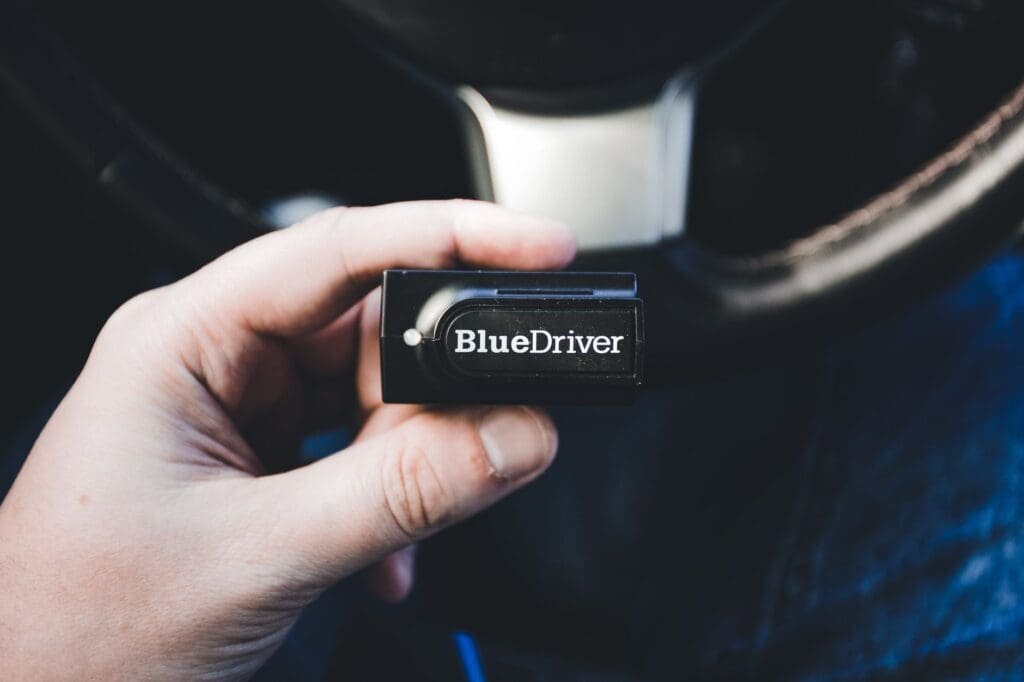
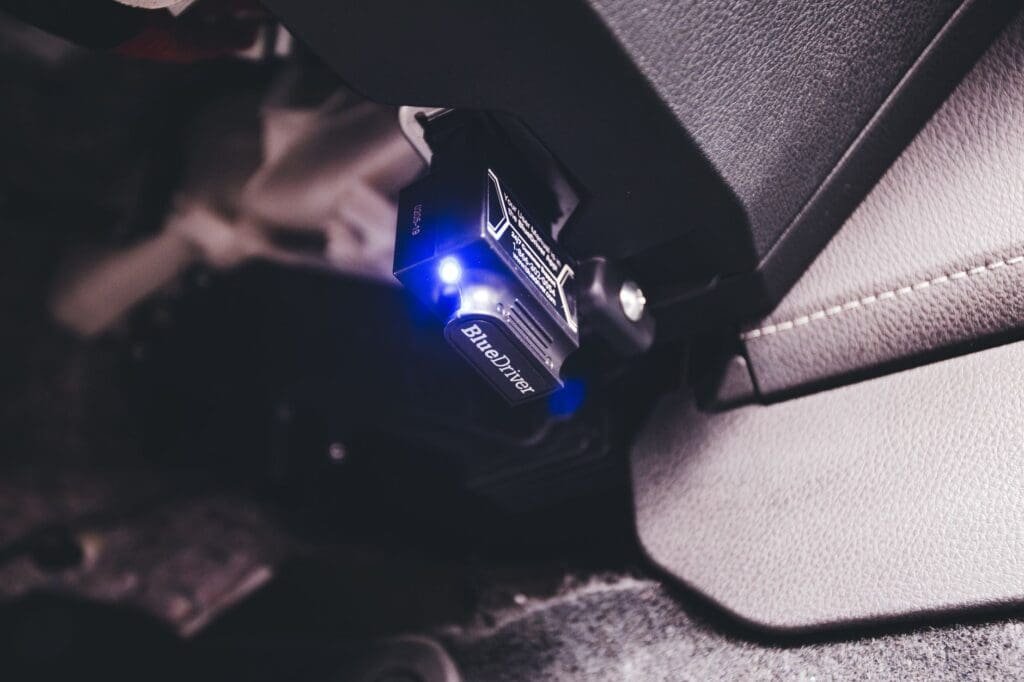
- Read and verify all stored codes: Check for P20E8 low pressure or related NOx efficiency faults.
- Fluid test: Use a refractometer or test strips to confirm urea concentration (should be 32.5%).
- Inspect tank and lines: Look for residue, leaks, or white crystallisation.
- Injector and pump test: Confirm flow rate, spray pattern, and pressure build-up.
- Sensor data review: Ensure NOx readings, temperatures, and dosing activity match factory targets.
Mobile repair options
- AdBlue system flush: Remove contaminated fluid and replace with fresh, ISO-approved AdBlue.
- Injector clean or replacement: Restores proper dosing and prevents future clogging.
- Sensor recalibration: Correct false readings from temperature or NOx sensors.
- System reset: Once quality and dosing tests pass, we reset P207F and related codes safely.
Can I keep driving with P207F?
Short term — yes, but efficiency and emissions increase.
Leave it too long and the system may trigger a no-start countdown.
Early diagnosis saves time and avoids a full system lockout.
Prevention tips
- Always buy sealed AdBlue from trusted suppliers.
- Avoid topping up with unknown fluid from mixed containers.
- Clean around the filler before refilling to stop dirt entering the tank.
- Run the van regularly — sitting idle promotes crystallisation and blockages.
When repair isn’t worth it
In older vans with repeated dosing issues, some owners choose a software solution.
See AdBlue delete vs repair — what’s right for your van for details on options, legality, and MOT impact.
Book a same-day visit
We fix P207F faults on-site with no need to visit a dealer.
Learn about our mobile diagnostic service or book your visit now.
Serving Leicestershire and nearby areas.
Helpful links
Need the P207F warning gone before MOT?
Call 07349 821 999 or email info@ifixadblue.co.uk.
Fast, safe mobile AdBlue repair and reset service across Leicestershire.
See also: Isuzu D-Max P207F fault guide: injector failure and low concentration diagnosis.