Citroen Relay • AdBlue faults • SCR system • May 2026
Citroen Relay AdBlue Problems: Fault Codes, Warning Lights and What Actually Fixes Them
The Relay has specific AdBlue quirks that catch owners off guard.
Here’s what the warning lights mean and what you can do about them.
Mobile across Leicester, Loughborough & surrounding Midlands • Mon–Sun 09:00–20:00
The Citroen Relay is one of the UK’s most popular panel vans — used everywhere from courier runs to ambulance conversions. What owners of 2015 and newer models often discover, sometimes mid-job, is that the Relay’s AdBlue and SCR system has its own set of recurring faults that are slightly different to what you’d see on a Transit or Sprinter.
Because the Relay shares its drivetrain platform with the Peugeot Boxer and Fiat Ducato, many of the faults — and their fixes — overlap. But the Relay’s BSI (Body Systems Interface) module handles certain AdBlue alerts differently, which means a reset method that works on the Boxer may not work the same way on the Relay.
This guide covers the most common AdBlue faults on the Citroen Relay, what the warning messages actually mean, and the most reliable routes to a fix.
Which Citroen Relay Models Have AdBlue?
AdBlue was introduced on the Citroen Relay with the Euro 6 emissions standard. If your Relay is a pre-2015 model, it does not have an AdBlue system — it uses EGR alone to meet its emissions requirements.
The Euro 6 Relay (2015 onwards) with the 2.0 BlueHDi engine uses a Selective Catalytic Reduction (SCR) system that requires AdBlue fluid. This includes:
- Citroen Relay (X290 platform, 2015–present) — 2.0 BlueHDi 110/130/160
- Citroen Jumper (the Relay sold under this name in some markets)
- Models registered from September 2015 as Euro 6 compliance became mandatory
The AdBlue filler cap is typically located near the fuel cap on the Relay — either adjacent to the diesel filler on the side of the vehicle or inside a flap near the rear. There’s also a 2.2 HDi version in some fleet-specification Relays that does NOT use AdBlue, so if you’re unsure, check the filler cap location before assuming.
Common Warning Messages on the Citroen Relay and What They Mean
The Relay’s instrument cluster and multifunction display communicate AdBlue problems in specific ways. Here are the messages owners see most frequently.
“Top Up AdBlue”
The tank level sensor has detected low fluid. You have a countdown of remaining range — typically shown in kilometres — before the engine will not restart. Top up immediately with the correct ISO 22241 AdBlue.
“Check AdBlue System”
A fault has been detected that isn’t simply low fluid. This could be the pump, injector, NOx sensor, or SCR catalyst. Topping up won’t clear this message — it needs a diagnostic scan.
“Engine Start Impossible in X km”
The vehicle has logged enough SCR faults that it’s entered countdown mode. The countdown will not reset without a proper fix — clearing codes alone buys very little time before it returns.
“Check Emission System”
A broader emissions fault has been logged. May relate to AdBlue, EGR, DPF, or lambda sensor depending on what the full scan shows. Don’t assume it’s just AdBlue without scanning first.
“AdBlue Quality Insufficient”
The quality sensor has detected fluid that’s outside spec. Can mean contamination, degraded fluid left in the tank too long, or a failed quality sensor. Flush and refill before condemning hardware.
Amber engine light with AdBlue warning
Both lights together usually means the fault has been logged across multiple drive cycles. At this stage, a diagnostic tool that reads live Citroën BSI data is needed — not just a generic OBD reader.
The Most Common AdBlue Fault Causes on the Citroen Relay
Based on the Relay jobs we’ve diagnosed across Leicestershire and surrounding areas, these are the faults that come up most often.
1. AdBlue Pump Failure
The AdBlue pump draws fluid from the tank and delivers it to the dosing injector. On the Relay, the pump is combined with the tank module — replacing the pump means replacing the whole assembly in most cases. Pump failure is common on higher-mileage Relays and presents as low AdBlue pressure codes, erratic dosing, or reduced SCR efficiency warnings.
2. AdBlue Injector Crystallisation
AdBlue can crystallise inside the dosing injector — the small unit that sprays fluid into the exhaust stream before the SCR catalyst. Once crystallised, the injector can’t open correctly. You’ll see poor SCR efficiency codes alongside increased AdBlue consumption if the injector is stuck partially open. The Relay’s injector is accessible from under the van but often needs specialist tools to remove cleanly without damaging the exhaust pipe threads.
3. NOx Sensor Faults
The Relay typically uses two NOx sensors — one upstream before the SCR catalyst and one downstream to measure how well the catalyst is reducing emissions. When the downstream sensor reads efficiency as too low, the ECU logs an SCR efficiency fault even if the hardware is working correctly. Failed NOx sensors are a common cause of recurring “Check AdBlue System” messages that keep returning after resets.
4. Tank Level or Heating Element Failure
Like most Euro 6 vans, the Relay’s AdBlue tank contains a heating element to prevent the fluid freezing in winter. These elements are prone to failure, particularly on vans that operate in cold conditions. When the heater fails, you’ll see false low-level warnings and the van may flag SCR faults on cold mornings that disappear once the engine warms up.
5. BSI Module Communication Issues
The Relay’s BSI (Body Systems Interface) module communicates with the SCR system. On some Relay models, BSI software faults or corrupted calibration data cause AdBlue warnings that aren’t actually linked to a hardware failure. A Citroën-specific diagnostic tool (not a generic OBD reader) is needed to separate BSI-related faults from genuine SCR hardware faults.
Citroen Relay AdBlue Fault Codes to Know
These are the fault codes that appear most often on the Euro 6 Relay during an SCR-related diagnostic:
| Code | Meaning | Likely cause |
|---|---|---|
| P20EE | SCR NOx catalyst efficiency below threshold — Bank 1 | Failed NOx sensor, poor dosing, weak pump |
| P204F | Reductant system performance | Pump failure, injector blockage, low pressure |
| P20B9 | Reductant heater control circuit | Failed tank heating element or wiring fault |
| P2BAE | Reductant quality out of range | Contaminated fluid, quality sensor fault |
| P207F | Reductant quality sensor / rationality fault | Failed quality sensor in tank module |
| P20E8 | Reductant injection system pressure low | Pump failure, blocked filter, wiring to pump |
Why a generic OBD reader isn’t enough
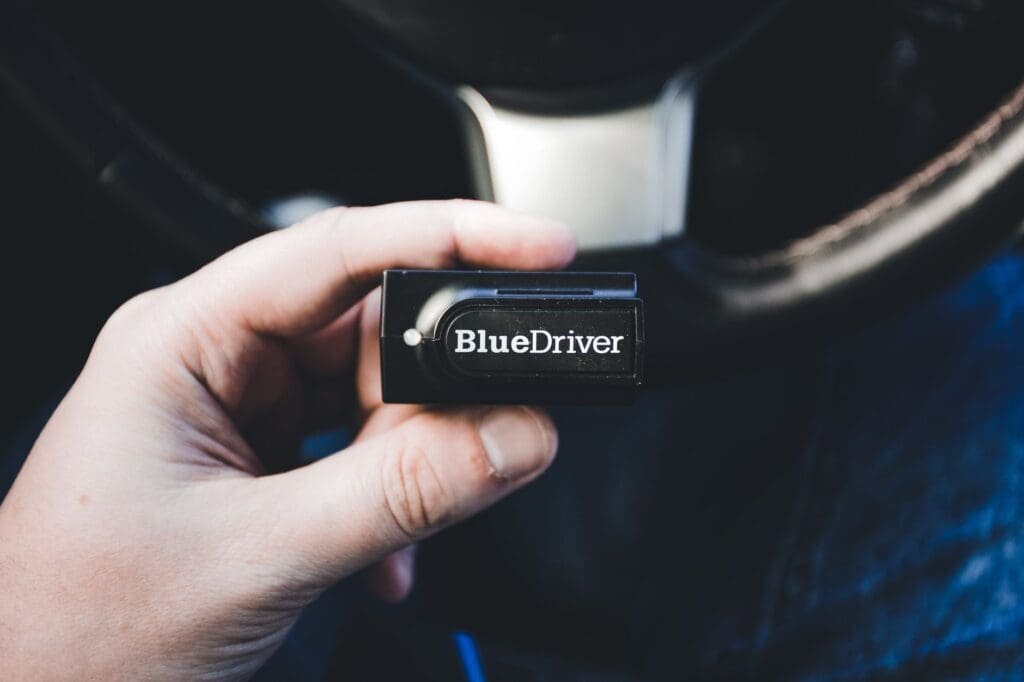
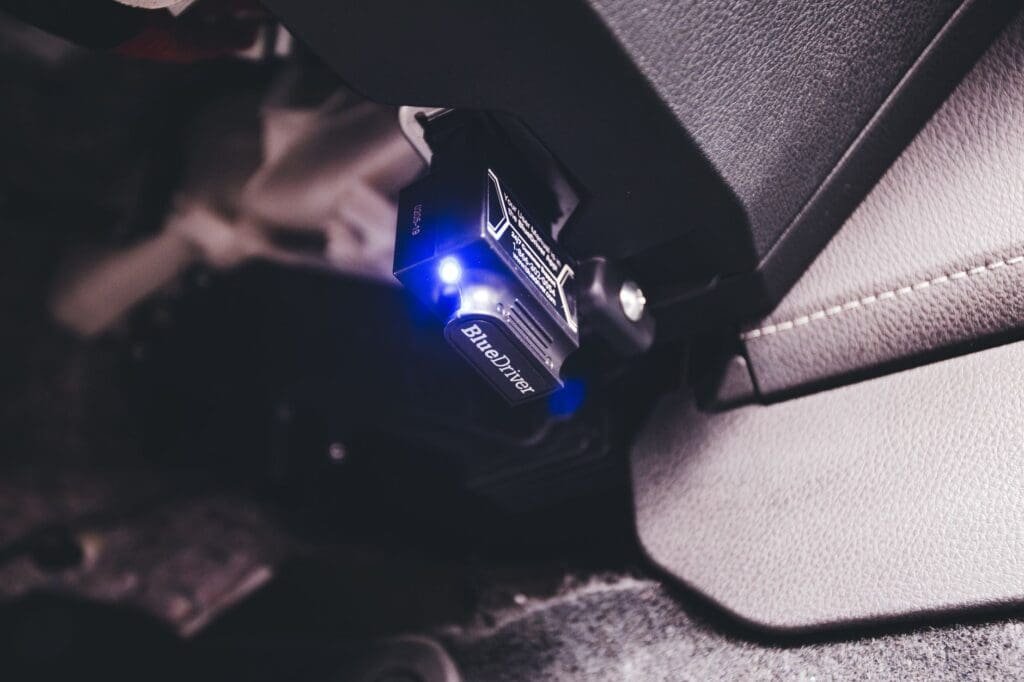
Generic OBD-II readers can read standard fault codes but miss the manufacturer-specific sub-codes and live data streams that identify exactly which component is failing. On the Relay, a Citroën-compatible diagnostic tool reading live NOx sensor voltages, pump pressure, and injector duty cycle will tell you whether the hardware needs replacing or whether a software recalibration and reset will hold the fault.
Why Basic Resets Rarely Hold on the Relay
One of the most frustrating experiences Relay owners describe is having the fault codes cleared by a garage, driving for a few days, and then watching the same warning lights return. There are two reasons this happens.
First, clearing a code doesn’t fix the underlying fault. The ECU runs continuous checks on the SCR system during each drive cycle. If the pump is still weak, the injector still blocked, or the NOx sensor still reading incorrectly, the fault will be re-logged within one or two drives.
Second, the Relay’s BSI module tracks fault frequency. Once a fault has been logged a certain number of times, the system locks itself into a more aggressive countdown mode that is harder to reset without manufacturer-level software. This is why garages without the right tooling sometimes quote “it needs a dealer” when the job is actually within reach of a well-equipped specialist.
What a proper reset actually involves
- Reading all stored and pending codes — not just the active ones
- Checking live sensor data to confirm the fault is not currently active
- Performing a no-start counter reset if applicable
- Verifying SCR adaptation values have cleared correctly
- A test drive with live data monitoring to confirm the fault doesn’t immediately re-trigger
Fix Options: Repair or Delete?
Once you know what’s actually failed, you have two main routes.
SCR System Repair
Replace the failed component — pump module, injector, NOx sensor, or tank assembly. System remains active and compliant. Best route for vans that are newer, lower mileage, or that will go through UK MOTs.
Cost guide: £150–£900 depending on component
Software AdBlue Delete
The ECU is reprogrammed to remove the SCR system from its logic entirely. No hardware removed, no cutting or drilling. All warning lights clear permanently. Best for off-road use, export, high-mileage vans, or repeated SCR failures.
Covered by: 12-month software warranty
We carry out both on-site across Leicestershire and surrounding areas. The diagnostic visit determines which route makes the most sense for your specific van, mileage, and intended use. There’s no pressure to go one way or the other — the scan tells the story and you make the call.
Note: Software AdBlue delete is intended for off-road, agricultural, and export vehicles. It is not legal for vans used on UK public roads.
Frequently Asked Questions
How do I reset the AdBlue warning on a Citroen Relay?
A proper reset requires a Citroën-compatible diagnostic tool (such as Lexia, Diagbox, or a professional aftermarket equivalent). Consumer OBD dongles can clear surface codes but often can’t reset the SCR-specific counters or the no-start countdown. If the fault re-appears after a basic reset, a full diagnostic is needed to find the root cause.
Can I top up with any AdBlue on a Citroen Relay?
Only use ISO 22241-certified AdBlue. The quality sensor is sensitive to fluid that’s diluted, contaminated, or degraded from prolonged storage. Using substandard fluid can trigger a “AdBlue Quality Insufficient” fault even if the hardware is fine. Buy from a reputable supplier and check the expiry date — AdBlue has a shelf life of approximately 18 months once opened.
My Relay has a no-start countdown — what do I do?
Don’t ignore it. The countdown represents the remaining start cycles before the ECU locks the engine. Fill the AdBlue tank immediately if it’s low, then get a diagnostic as soon as possible. If the countdown is showing despite a full tank, the fault is hardware-related and needs a specialist visit rather than a top-up.
Is the Citroen Relay AdBlue system the same as the Peugeot Boxer?
Very similar, yes. Both vehicles share the PSA platform and use closely related SCR components. The core fault patterns are almost identical, and many diagnostic procedures carry over directly. The main difference is in how the BSI module communicates faults — Relay-specific software is needed for a complete reset rather than generic Boxer procedures.
How long does a mobile diagnosis take on the Relay?
A full SCR diagnostic — reading all stored codes, checking live sensor data, and confirming the fault source — typically takes 45–60 minutes. If the fix is a software reset or delete, we can often complete it the same visit. Part replacements are quoted and scheduled from there.
Got a Citroen Relay AdBlue Problem?
We’ll come to you with the right diagnostic equipment, identify the exact fault, and give you a clear choice on how to fix it. No guesswork, no pressure.
Mobile across Leicester, Loughborough & surrounding Midlands • Mon–Sun 09:00–20:00 • 12-month software warranty
Related reading: Peugeot Expert & Partner AdBlue Problems: Warning Lights, Faults & Fixes.